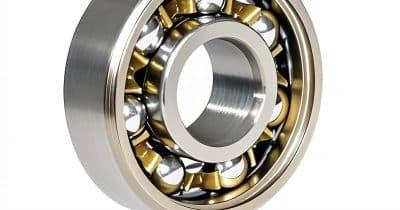
The recent announcement by MinebeaMitsumi, a leading Japanese precision manufacturer, to invest ¥58 billion (approximately $360 million) in a new production facility underscores a critical aspect of the AI boom that is often overlooked: the importance of precision components, particularly ball bearings, in AI infrastructure.
This investment is poised to increase the company's production capacity by 30%, bringing their monthly output to over 500 million units. Such a significant increase highlights the surging demand for cooling systems in AI data centers, where high-performance chips generate substantial heat. Therefore, reliable cooling solutions, which depend heavily on precision ball bearings, become essential for maintaining operational efficiency.
The Backbone of AI Infrastructure
AI data centers rely on advanced cooling systems to combat the intense heat produced by powerful chips. These systems, including various fans and liquid cooling pumps, function optimally thanks to high-quality bearings that can endure long working hours at high speeds without failure. As demand for AI capabilities rapidly increases, so does the need for these critical components, making MinebeaMitsumi's focus both timely and strategic.
Moreover, the company's ball bearings are not only vital for cooling purposes but are also integral to storage devices, which are crucial as AI workloads require faster and more efficient data retrieval. This dual demand from both cooling and storage sectors positions MinebeaMitsumi favorably within the supply chain of AI infrastructure.
MinebeaMitsumi's decision to expand its manufacturing base in Southeast Asia reflects the company's established presence there, particularly in Thailand. This strategic move allows them to capitalize on existing infrastructure rather than invest in greenfield operations. The timing of this expansion is indicative of the company's belief that the demand for data center components is a long-term trend rather than a fleeting spike.
This expansion may also alter the competitive landscape. As MinebeaMitsumi ramps up production, competitors such as SKF, NSK, and NTN may need to respond by increasing their own capacities. A resulting capacity race could further influence prices and availability of precision bearings in the market.
The $360 million investment signifies strong management confidence in the sustained growth of demand for data center components. For investors, this commitment represents a multi-year bet not just on a momentary increase in demand but on structural growth within the sector. That said, it is worth noting the currency risks involved; an investment in yen that generates revenues predominantly in dollars could expose the company to financial fluctuations.
In conclusion, while attention is often focused on high-profile components like GPUs, MinebeaMitsumi’s strategic investment illustrates the crucial role of precision equipment in the broader framework of AI infrastructure. As demand continues to rise, the importance of these seemingly minor components will likely gain greater recognition among investors and industry stakeholders alike.