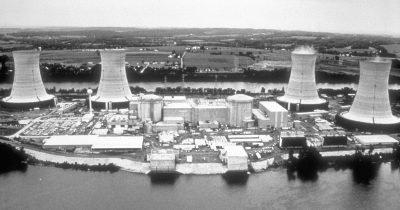
Microsoft's recent decision to revive the Three Mile Island nuclear reactor reveals profound implications for the future of energy supply, particularly for data centers and crypto mining operations. The tech giant has entered a 20-year agreement with Constellation Energy in a deal valued at about $1.6 billion, aiming to inject approximately 835 megawatts of clean electricity into its operations. This move underscores a pivotal shift in energy strategy, driven by increasing demands from AI and cryptocurrency sectors.
Why This Development Matters
The revival of the Three Mile Island Unit 1 plant carries significant weight for various stakeholders. First and foremost, it marks a crucial step towards stabilizing energy prices and availability for technology companies, which have been facing surging energy costs. The capacity pledged to Microsoft will essentially monopolize a substantial chunk of the grid's output, directly impacting other energy consumers.
- Microsoft's project will provide about 835 MW of carbon-free electricity.
- The revival process is projected to create approximately 3,400 jobs.
- It's expected to generate over $3 billion in tax revenues.
This also poses challenges for energy players in the PJM Interconnection region, where crypto miners heavily rely on energy markets. As corporate giants lock in long-term energy purchases, those miners who do not have secured contracts may face increased competition and higher costs as they navigate a tighter energy environment.
The Financial Landscape for Energy Consumers
For investors, the implications of this deal are twofold. Constellation Energy is banking on a reliable revenue stream due to Microsoft's strong financial backing. In contrast, Bitcoin miners who have established long-term energy contracts or control their own generation facilities find themselves better positioned to withstand the market shifts. Meanwhile, those relying on fluctuating spot market prices may face squeezed margins as demand from other sectors resurges.
The evolving regulatory landscape also favors nuclear energy. A waiver recently granted to accelerate the grid connection for the revitalization of the reactor indicates a regulatory willingness to support initiatives that cater to the growing energy needs.
Future Considerations and Implications
Looking ahead, stakeholders should monitor several key developments. The projected operational timeline for the crane Clean Energy Center is set for 2028, but potential acceleration to 2027 could change the energy supply dynamics more rapidly than anticipated. Additionally, the interplay between tech demand and renewable energy supply will be crucial to watch, particularly for crypto investors and miners.
This article is for informational purposes only and is not financial advice.