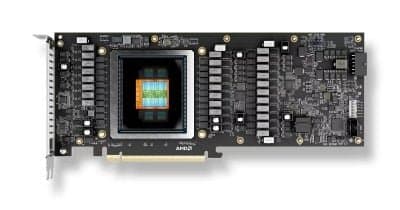
Microsoft is accelerating its AI infrastructure by integrating AMD’s next-generation Instinct MI455X GPUs and 6th-generation EPYC Venice processors into its Azure cloud. This move isn’t just about upgrading hardware. It signals a strategic pivot that could influence the broader AI compute market and ripple into adjacent sectors like crypto.
The EPYC Venice CPUs, featuring up to 256 cores built on AMD’s Zen 6 architecture, promise significant computational density gains. Microsoft has already been utilizing AMD Instinct MI300X GPUs for GPT-4 inference, meaning that many ChatGPT queries already rely on AMD silicon. The new deployment leverages AMD’s Helios rack-scale platform, which combines these GPUs and CPUs with Pensando Vulcano network interface cards, creating an integrated environment optimized for AI workloads.
Context: AMD’s Growing Cloud Presence and Open-Source Push
AMD’s footprint in cloud infrastructure is expanding rapidly. EPYC deployments among cloud providers surged 50% year-over-year, reflecting growing trust in AMD’s architecture for demanding AI tasks. At CES 2026, Computex, and Microsoft Build 2026, AMD emphasized its roadmap and collaboration with Microsoft, highlighting the open-source ROCm software stack as a key enabler for developers. Azure’s VM support tailored to AMD silicon enhances accessibility for AI developers, fostering a more competitive ecosystem against rival chipmakers.
This development has implications beyond raw computing power. Increasing AI compute capacity tends to lower the cost of AI services, making them more widely accessible. For crypto projects focused on AI or decentralized compute such as Render and Akash or tokens aiming to democratize machine learning access, this centralized scaling presents a challenge. As hyperscalers like Microsoft aggressively expand AI offerings, the value proposition for decentralized alternatives becomes harder to justify.
This dynamic shows a tension between centralized AI infrastructure providers and decentralized crypto networks. The former benefit from hardware-software integration and economies of scale, while the latter tout openness and censorship resistance. Microsoft’s AMD deployment could tilt this balance further toward centralized cloud dominance, raising strategic questions for crypto projects betting on decentralized AI solutions.
This material is for informational purposes and not financial advice.