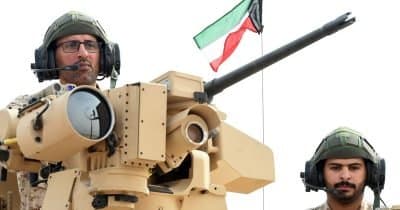
Kuwait’s air defenses have actively intercepted multiple drone attacks traced back to Iran, marking a notable escalation amid the ongoing 2026 Iran conflict involving the United States and Israel. This surge in hostile activity against a key U.S. ally hosting significant American military assets highlights the intensifying regional volatility and the fragility of the ceasefire declared earlier in the year.
Recent Developments in Kuwaiti-Iranian Hostilities
The repeated drone strikes on Kuwaiti territory provide concrete evidence of Iran’s willingness to extend military operations beyond direct frontlines, engaging Gulf states aligned with the U.S. This tactical shift suggests Iran is retaliating against American military presence and actions in the Gulf, raising the chance for broader confrontation.
Kuwait's prompt air defense response shows its preparedness but also signals a deteriorating security environment that could draw in adjoining states. Given Kuwait’s strategic location and role as a host for U.S. bases, these incidents might incentivize further militarization or diplomatic posturing by all involved parties. Markets are already pricing in increased instability, reflecting heightened concerns among investors about potential disruptions to regional trade and energy flows.
Market and Diplomatic Implications
The pattern of attacks and responses feeds into global perceptions of escalating conflict risk in the Gulf, impacting sectors linked to energy and defense. Traders, especially those focusing on geopolitical risk, are monitoring statements from Iranian leadership and U.S. military officials for hints of de-escalation or escalation. Any further military engagements or shifts in diplomatic strategies could swiftly alter market dynamics.
This evolving situation is critical for observers analyzing the balance of power in the Middle East and the resilience of fragile ceasefires. It shows how localized military incidents can ripple into broader geopolitical and economic consequences. For example, watching for changes in alliances or peace negotiations will be essential for anticipating future market moves. Those interested in the intersection of regional security and market reactions should also consider how increased U.S. military activity in the Middle East might influence asset flows and volatility, as noted in insights on US airpower surge impacts.
Material is for informational purposes and does not constitute financial advice