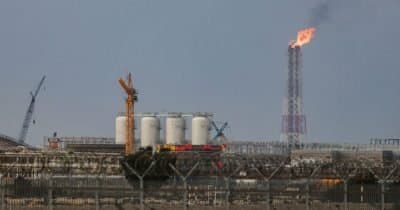
Iran is moving quickly to repair the severe damage inflicted on its energy infrastructure earlier this year. The government outlined a plan to restore 100 million cubic metres of lost gas output in the coming months, aiming to revive its critical South Pars offshore gas field. This announcement comes as a direct response to the Israeli strikes in March 2026, which severely disrupted Iran’s gas production and sent shockwaves through regional energy markets.
Strategic implications for Iran and global markets
The South Pars field is one of the largest gas reserves in the world, supplying a substantial portion of Iran’s domestic consumption and export capacity. Damage to the field has exacerbated Iran's existing energy imbalance, especially given the country’s heavy reliance on natural gas for electricity generation and export revenues. The restoration plan, backed by $17 billion in new contracts, targets increased output from phases 12, 15, and 16 of South Pars. This significant investment signals Tehran’s intent not only to recuperate lost capacity but potentially expand production capabilities.
For global energy markets, Iran’s recovery efforts arrive amid ongoing volatility spurred by geopolitical tensions and supply uncertainties. The prospect of restored gas output could alleviate regional supply pressures and provide downward pressure on energy prices, including crude oil benchmarks. Market data already reflect cautious optimism: WTI crude oil markets currently assign only a 0.4% chance that prices will reach $130 per barrel by July 2026, suggesting a shift away from extreme price spikes.
Iran’s ability to meet its restoration targets will be closely watched by analysts and traders, as it carries implications for OPEC+ dynamics and energy supply stability. Any acceleration in Iran’s gas production could lead to recalibration of global supply expectations and reduce the price volatility that has been driven by conflict-related disruptions and drone attacks targeting key supply routes, similar to those affecting Kazakhstan’s oil chain earlier this year.
This article is for informational purposes and does not constitute financial advice.