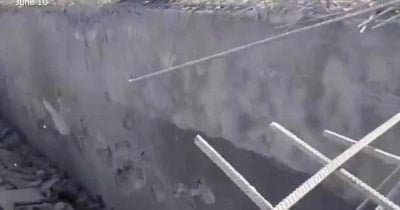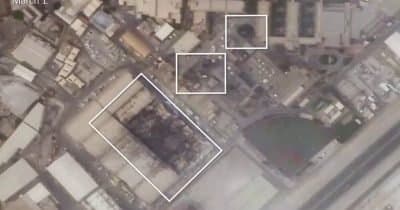
$400 million in damages mark a sharp escalation as Iranian forces strike U.S. assets in Bahrain, targeting the 5th Fleet headquarters and fuel tanks. Such focused attacks on critical military infrastructure signal a new intensity in the 2026 Iran conflict, complicating the regional security environment.
Escalation Amid Fragile Diplomatic Prospects
The choice to attack key U.S. military facilities reflects Iran's intent to pressure American forces directly while projecting power in the Gulf. These strikes coincide with Iran’s closure of the Strait of Hormuz, a strategic chokepoint for global oil supply, prompting U.S. retaliatory airstrikes. Market indicators now price in a mere 2.1% chance of a U.S.-Iran nuclear deal materializing by August 13, while the probability of normalized Strait of Hormuz traffic remains low at 12.5% by August 31. This suggests investors and analysts are bracing for sustained conflict rather than diplomatic breakthroughs.
Implications for Regional Security and Markets
The attack raises questions about the future posture of U.S. forces in the Middle East. Pentagon reviews are underway to assess force deployment and vulnerability after the substantial financial damage to the Bahrain base. With continued Iranian aggression, the risk premium on Gulf region assets, including energy infrastructure, is likely to rise. This dynamic could heighten volatility in energy markets and shift global investment flows. The conflict’s trajectory will remain sensitive to statements from key figures such as Ayatollah Ali Khamenei and President Donald Trump, whose rhetoric can rapidly influence market sentiment and geopolitical calculations.