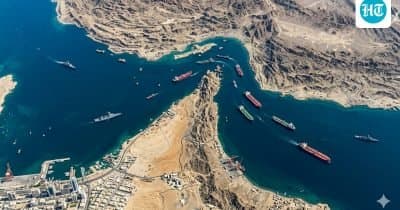
In a notable shift, Iran has offered a significantly lower transit fee for vessels passing through the strategic Strait of Hormuz, directly countering the United States' proposed 20 percent toll on eligible cargo. This development surfaces amid heightened tensions between the U.S. and Iran regarding control over this vital maritime corridor essential for global oil and gas trade.
The United States has maintained a solid military presence around the strait, monitoring shipping activities and enforcing its own regulations. In contrast, Iran has taken assertive steps, including the seizure of vessels that refuse to comply with its fee demands. By proposing a reduced toll, Iran is not merely responding to U.S. actions; it is strategically positioning itself to assert greater control over the economic dynamics surrounding the Strait of Hormuz.
Market Reactions and Implications
The market has reacted swiftly to this proposal, with the probability of Iran implementing its tolls jumping from 3% to 5.2% as of July 15. This surge indicates a growing belief among traders that Iran may indeed formalize its fee collection strategy soon. Such a shift could reshape the expectations for maritime transit fees, influencing not just immediate shipping costs but also broader geopolitical relations regarding oil and gas transportation.
Iran's initiative is likely to have far-reaching consequences. Should it successfully implement its lowered fees, it could alter the competitive landscape in the Strait of Hormuz and challenge U.S. influence in the region. This would also have implications for shipping companies navigating these waters, potentially affecting their operational costs and strategies in response to fee structures.
What Lies Ahead?
Looking forward, the coming days are critical as the Iranian government deliberates on formalizing its toll strategy. Key developments to watch include official announcements from Iranian authorities, particularly the Islamic Revolutionary Guard Corps (IRGC), regarding the implementation of these tolls. Additionally, any updates from shipping companies or international maritime organizations on compliance with Iran's fee demands will be key.
The evolving situation will be significant in the broader context of U.S.-Iran maritime rights conflict. As Iran pushes for its toll regime, the potential for increased friction between the two nations remains high, with the possibility of further military encounters or diplomatic escalations on the horizon.
This material is informational and not financial advice.