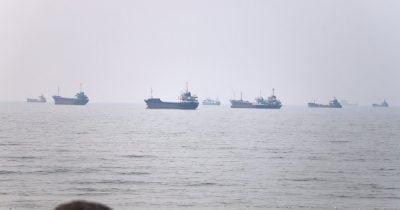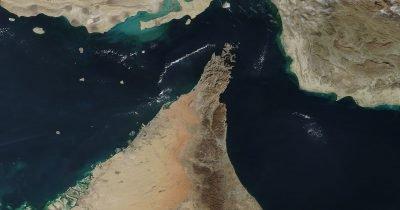
The recent announcement by the Islamic Revolutionary Guard Corps (IRGC) to close the Strait of Hormuz, following a warning shot fired at a commercial vessel, raises significant concerns for both oil and cryptocurrency markets. This narrow waterway is vital for global trade, handling approximately 20-25% of oil shipments. Its closure could lead to a sharp increase in oil prices, already sensitive due to ongoing geopolitical tensions.
The Strategic Importance of the Strait
Iran's maneuvering in the Strait of Hormuz is not merely a regional issue; it is a potential flashpoint for global energy prices. The IRGC has previously attempted to leverage this strategic chokepoint, having announced closures earlier this year and in past months. Each closure has caused a notable drop in tanker traffic, which has already been affected by earlier disruptions. With Brent crude oil peaking at $126 per barrel in March, the sustained closure could drive prices to new heights, compounding the challenges in an already fragile energy market.
The conflicting reports regarding the effectiveness of the blockade add further complexity. While Iranian state media insists on a full closure, U.S. sources have raised doubts about the blockade's actual impact. Regardless of the reality, the mere threat of disruption is increasing insurance and risk premiums for vessels attempting to navigate the strait.
Crypto's Role Amid Sanctions
What makes this situation particularly intriguing for the cryptocurrency space is Iran's implementation of a digital toll system, dubbed “Hormuz Safe.” Since mid-March 2026, this platform accepts payments in Bitcoin and stablecoins for transit fees, which can reportedly reach as high as $2 million per vessel. This innovative approach not only provides a revenue stream for a nation under heavy sanctions but also highlights the growing intersection of cryptocurrency and global trade.
If Iran can sustain its crypto-based toll system, it may set a precedent for other nations facing similar constraints. The implications could be profound, potentially leading to a parallel financial system that operates outside traditional banking structures like SWIFT. Such a development could attract increased interest in Bitcoin and stablecoins, as they become essential for international trade transactions in a sanctions-pressured environment.
Implications for Investors
The possibility of vessels paying substantial tolls in cryptocurrencies introduces genuine buy pressure, which could have ripple effects on the market. As demand for Bitcoin and stablecoin transactions in maritime contexts increases, investors may observe upward price movements driven by this new layer of demand. This scenario presents both opportunities and risks for crypto investors, as the dynamics of the market adapt to geopolitical realities.
In conclusion, the closure of the Strait of Hormuz not only poses a threat to oil prices but also serves as a critical test for Bitcoin's role as a workaround for sanctions. As the situation unfolds, both oil and cryptocurrency investors should remain vigilant to the broader implications of these geopolitical tensions.
This material is for informational purposes only and should not be considered financial advice.