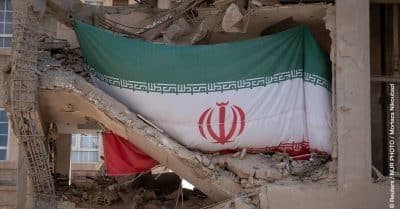
The Iranian Foreign Ministry's recent declaration that its strikes on U.S. bases are acts of self-defense is a significant development amidst the ongoing conflict in the Middle East. Following the breakdown of a 60-day ceasefire, Iran has portrayed its military actions as necessary responses to prior U.S. attacks, thus framing the situation within a legal context under Article 51 of the UN Charter.
This claim of self-defense could have profound implications for the perception of U.S. military involvement in the region. Currently, market pricing indicates a 16.5% probability of a U.S. invasion of Iran before 2027. This relatively low figure suggests that investors are weighing Iran's narrative as a factor that could lead to de-escalation rather than further hostilities.
Recent U.S. strikes on Iranian territory have further complicated the diplomatic landscape, particularly as these strikes occurred in countries like Jordan and Qatar, which are not directly involved in the conflict. This raises important questions about sovereignty and the potential for broader diplomatic fallout.
Moreover, the assertion of self-defense adds a layer of legal complexity that could affect international relations and market dynamics. If Iran's claims are accepted, it might limit the justification for further U.S. military action, thereby reducing investor fears of an imminent escalation.
As the situation unfolds, it is crucial for observers to monitor statements from the Pentagon or other U.S. government officials. Any shifts in military strategy or diplomatic engagement could have immediate repercussions on market perceptions and pricing regarding a potential U.S. invasion. Furthermore, new reports of military actions in the region could reshape current probabilities and investor sentiment.
This article is for informational purposes only and does not constitute financial advice.