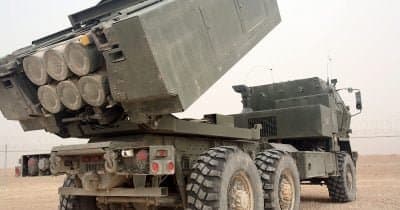
The Islamic Revolutionary Guard Corps (IRGC) has recently escalated tensions in the Gulf region by targeting a U.S. HIMARS launcher situated at the former UN Base Camp in Abdali, Kuwait. This incident marks a notable increase in hostilities between Iran and the United States, reflecting a broader pattern of military engagement that has intensified in recent months.
Context of Escalating Hostilities
The HIMARS (High Mobility Artillery Rocket System) is renowned for its precision and long-range capabilities, primarily utilized in U.S. operations against perceived threats from Iran. This attack signifies a shift in tactics by the IRGC, aiming to undermine U.S. military operations in the region. The backdrop to this strike includes a series of U.S. attacks targeting Iranian coastal sites, which have prompted retaliatory measures from Tehran. This exchange of hostilities is indicative of a protracted struggle for military dominance, particularly given the strategic importance of the Gulf region for both nations.
Market Implications
The targeting of the HIMARS system has sent ripples through the market, with participants increasing the likelihood of further Iranian military actions. Current market odds have surged to 66.5% for potential strikes by mid-July, suggesting that investors are closely monitoring developments and adjusting their strategies accordingly. The situation raises concerns about the stability of oil prices and the overall economic impact in the Gulf, which is critical for global energy supply.
Future Considerations
As tensions continue to mount, it is crucial to observe the responses from both Iranian and U.S. military leaders, such as IRGC Commander Hossein Salami and officials from the U.S. military. Their statements can provide valuable insight into whether we are witnessing a cycle of escalation or potential diplomatic avenues for de-escalation. Additionally, the ongoing Operation Epic Fury by U.S. forces and any potential interventions by regional powers could significantly influence the trajectory of this conflict. The implications for regional stability are immense, especially given the volatility of the Gulf's geopolitical landscape.
This article is for informational purposes only and does not constitute financial advice.