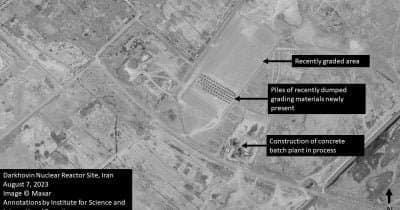
The International Atomic Energy Agency’s recent confirmation that Iran’s Darquwin (Karun) nuclear facility remains under construction with no nuclear material present closes a critical uncertainty in the region’s nuclear narrative. This development directly dispels speculation about a covert operational plant, which had intensified following previous regional tensions and attacks on Iranian sites.
Inspection Findings and Verification Challenges
The IAEA’s latest physical inspection granted an exception for inventory verification at Darquwin due to its unfinished status. No fissile or radioactive materials were detected, reinforcing the assessment that the plant is not yet operational. This aligns with the February 2026 report, which placed the site firmly in a construction phase. IAEA Director General Rafael Grossi’s emphasis on strengthening Iran verification mechanisms highlights the fragile nature of monitoring amid geopolitical disruptions, especially after the 2025 strikes on Iranian nuclear facilities events that complicated continuous oversight and raised alarms about Iran’s nuclear trajectory.
Implications for Geopolitical Risk and Market Stability
While this confirmation mitigates one immediate risk silent activation of Darquwin it does not alleviate broader concerns regarding Iran’s nuclear program transparency. The 2025 Operation Midnight Hammer attacks and subsequent restricted access to certain sites had already undermined some verification capabilities. However, the IAEA’s ability to continue inspections, even with challenges, suggests that the international verification system retains some operational capacity. Grossi’s calls for stronger frameworks point to an ongoing effort to prevent further erosion of trust.
This nuanced status quo affects market and geopolitical risk assessments. Investors and analysts who monitor the region’s stability can interpret the report as a sign of partial containment of nuclear escalation fears, which may temper volatility linked to Middle East tensions. Yet, the overarching ambiguity about other facilities’ enrichment levels keeps uncertainty elevated. The situation demands close observation of verification developments to anticipate shifts in regional risk pricing.
This article is informational and does not constitute financial advice.