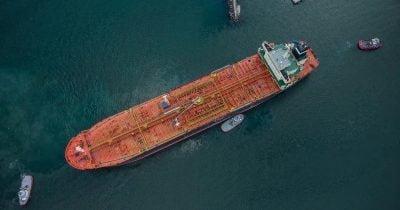
The recent escalation of conflict between the US, Israel, and Iran has caused significant shifts in the dynamics of global energy trading. With a backlog of 400 to 600 oil tankers caught at sea, the situation not only affected oil prices but also introduced an unconventional form of payment in the form of cryptocurrencies, notably Bitcoin and USDT, for safe passage through a vital shipping lane.
Why This Matters to Investors and Traders
The Strait of Hormuz is pivotal for global oil transport, accounting for a substantial percentage of seaborne oil trade. The military engagements intensified on February 28, 2026, straining vessel traffic to unprecedented levels, with Brent crude prices soaring from $80 to $120 per barrel during peak disruptions. A few months later, by mid-June, the backlog was alleviated and trading volumes bounced back. However, the collapse of the ceasefire in July sparked renewed military actions, leading to market reactions and price volatility.
- Initial backlog included 400-600 vessels.
- Brent crude peaked at $120 per barrel amid military engagements.
- Trading volume doubled for tankers in mid-June 2026.
Despite the easing of the backlog, the reintroduction of conflict has made investors wary. The Iranian administration's request for crypto payments highlights the intricate relationships between geopolitical tensions and modern trading demands. Not only does this represent a growing intersection between energy markets and digital currencies, but it also places cryptocurrencies in a unique role in international shipping.
Future Implications for Oil and Crypto Markets
The novel payment demands introduced by Iran could set a precedent for other countries in conflict zones. This poses intriguing questions: Will cryptocurrencies become more widely accepted for trade in these regions? Or will traditional currencies retain dominance? Additionally, platforms such as Hyperliquid are evolving quickly to accommodate around-the-clock trading based on geopolitical developments. This level of adaptability indicates a shift in how both institutional and retail traders operate in response to crises.
Moreover, as Bitcoin's value dipped to approximately $62,000 due to rising oil prices, market participants are reminded of the interconnectedness of assets. Speculative assets are often hit hardest during periods of geopolitical unrest, suggesting that volatility in one market can have ripple effects across others.
Disclaimer: This material is for informational purposes only and does not constitute financial advice.