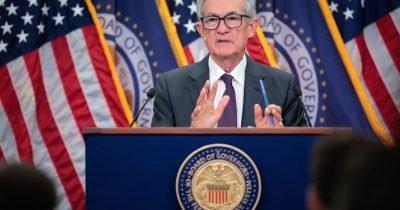
In recent discussions among Federal Reserve officials, a consensus emerged indicating that future interest rate hikes may be essential to curb the ongoing inflationary pressures facing the U.S. economy. The current inflation rate stands at 4.25%, which is significantly above the Fed’s established target of 2%. This disconnect raises critical questions about monetary policy direction and its implications for investors and market stability.
Why This Matters for Market Players
The implications of the Fed's discussions around potential rate increases are far-reaching. A stable federal funds rate of 3.50% 3.75% has prevailed since late 2025, but projections hint at a possible adjustment by the end of 2026. The acknowledgment of a need for tighter monetary policy reflects the Fed's ongoing concerns about inflation not being sufficiently controlled. Consequently, market expectations are shifting, impacting investor sentiment ahead of any official announcements.
- Current U.S. inflation rate: 4.25%
- Fed’s target inflation rate: 2%
- Stable federal funds rate: 3.50% 3.75%
- Projections for potential increases by the end of 2026
This discourse signals a potential pivot towards tightening monetary policy rather than an easing approach, suggesting that the Fed prioritizes inflation control over immediate economic stimulation. Investors should be cognizant of these developments, as the adjustments in interest rates can affect everything from borrowing costs to asset valuations.
What to Watch Moving Forward
Looking ahead, stakeholders should closely monitor upcoming Federal Reserve meetings, as well as the statements and minutes that may emerge from these gatherings. Key indicators of economic health such as inflation reports and labor market metrics will provide insights into the Fed's future decisions. Additionally, fluctuations in energy prices and geopolitical developments are likely to play crucial roles in shaping the Fed’s policy stance. Interest will also focus on comments from influential figures, such as Chair Jerome Powell, who can significantly impact market expectations for the Fed's future actions.
This material is for informational purposes only and is not financial advice.