The recent downturn in European stock markets illustrates how geopolitical tensions can ripple through economic landscapes. Following a fresh wave of conflicts between the United States and Iran, investors are increasingly cautious. Despite a ceasefire agreement reached in June 2026, the reality on the ground is that stability in the Gulf region remains fragile, significantly affecting market sentiment.
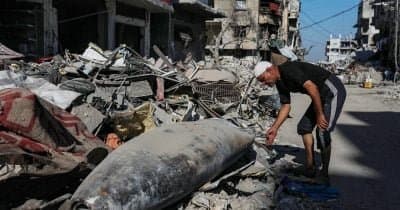
The situation escalated earlier this year when the US and Israel launched a joint military operation targeting Iran's nuclear and missile capabilities, escalating what many are calling the Iran War or the Third Gulf War. Recently, military incidents one notably involving the downing of a US helicopter in the Strait of Hormuz have exacerbated already high tensions. This dynamic sets a precarious stage for peace negotiations between the two nations.
Market analysts are noting a shift in expectations regarding upcoming US-Iran peace talks, particularly about their location. Current pricing trends indicate a growing skepticism about negotiations taking place in the UAE by the end of September 2026. Such changes in market sentiment reveal a broader uncertainty not just about Iranian diplomacy, but also about its implications for European economic stability.
Implications for Diplomacy and Market Dynamics
In times of heightened geopolitical turmoil, the markets tend to react by adopting risk-averse behaviors. The current climate suggests that any official updates from either the US or Iran regarding diplomatic negotiations are now under intense scrutiny. Investors are likely to adjust their positions based on any hints about where and when these negotiations might resume.
Furthermore, escalating tensions could lead to knock-on effects in various sectors. For instance, a prolonged conflict could disrupt oil supplies, thus impacting prices globally a concern that is especially pertinent given the ongoing discussions around oil markets and their volatility. As highlighted in previous analyses, such developments can have far-reaching consequences on energy prices and overall market stability.
What Investors Should Watch
For those navigating this complex landscape, it will be crucial to monitor both military developments and diplomatic announcements closely. A shift in the US-Iran negotiation status could dramatically influence market pricing and sentiment. Additionally, any further military incidents could further complicate the already strained diplomatic landscape.
The current environment is a stark reminder of how interconnected geopolitical issues are with market dynamics. As investors evaluate their strategies in response to these developments, the focus must remain on understanding the broader implications not only for markets but also for global economic stability.
This material is for informational purposes only and should not be considered financial advice.