The recent interception of ballistic missiles and drones by Kuwaiti air defenses highlights a worrying trend of escalating military hostilities in the Gulf region, primarily linked to the ongoing US-Iran conflict. Between July 8-9, 2026, Kuwait’s military successfully neutralized multiple aerial threats; however, no group has openly claimed responsibility for these attacks, leading to speculation about the involvement of regional powers, particularly Iran. This incident raises important questions regarding the geopolitical stability of the region and its implications for markets, including cryptocurrencies.
Understanding the Broader Impact on Investors
This situation is not just a national security concern; it has tangible repercussions for global markets, especially cryptocurrencies. Historical data shows that incidents of heightened tensions in the Middle East have often led to significant market liquidations in crypto trading, with losses reaching over $700 million in rapid sell-offs. This reflects the fragile balance existing between geopolitical events and investments in cryptocurrency.
- Regional tensions have a history of causing rapid liquidations exceeding $700 million.
- Bitcoin prices have historically reacted variably to such events, sometimes acting as a risk asset and at other times as a safe haven.
- Kuwait's strategic location enhances the risks connected to potential disruptions in energy supply chains.
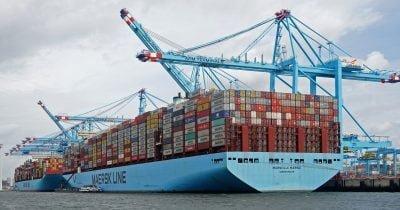
The geopolitical significance of Kuwait, located adjacent to major oil shipping routes, cannot be overstated. Any significant disruption in these routes could lead to fluctuations in energy prices, which are closely tied to inflation and central bank policies. Fluctuating energy prices may, in turn, create ripples in the liquidity available to crypto markets, further complicating the trading landscape.
What to Monitor Going Forward
As Kuwait’s air defense successfully fended off these attacks, it is crucial to keep an eye on the regional response. Key indicators of escalating tensions will include potential coordinated security statements from the Gulf Cooperation Council states and any visible shifts in the US military posture in the region. Such developments could amplify market volatility, especially for traders engaging in leveraged positions. In uncertain environments, reducing leverage, while not thrilling, may be one strategy to maintain account stability.
This material is for informational purposes only and should not be considered financial advice.