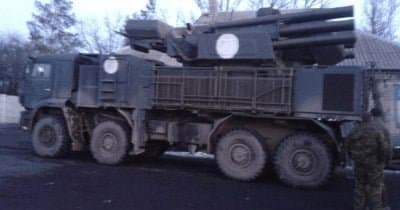
The ongoing conflict between Ukraine and Russia has introduced a significant transformation in military tactics, particularly in the use of drone technology. At the forefront of these developments is Ukraine's innovative deployment of drone swarms against Russian Pantsir-S1 air defense systems. This tactic not only highlights the vulnerabilities of the Pantsir-S1 but also reflects a broader trend in modern warfare where adaptability and technology are key.
Russia's Pantsir-S1 systems are renowned for their ability to engage multiple aerial threats; however, they are proving less effective against small, low-flying unmanned aerial vehicles (UAVs). Ukrainian forces have capitalized on this weakness by using coordinated drone swarms that complicate targeting for these defense systems. By launching decoys alongside combat drones from various directions, Ukraine seeks to exhaust Russia's interceptor capabilities.
Strategic Adaptation in Response to Modern Warfare
This tactical shift is not random. Russian defense experts have acknowledged shortcomings in their air defense systems since their operations in Syria, leading to a greater emphasis on developing upgraded Pantsir systems with enhanced radar capabilities and larger missile magazines. Such adaptations signify Russia's recognition of the evolving battleground and the necessity to respond to Ukrainian strategies effectively.
As both sides continue to innovate and adapt, the implications extend beyond immediate battlefield successes. Military analysts are closely observing these developments in the context of Crimea, where any significant shifts in defense capabilities could alter control dynamics in the region. This situation has resonated within market pricing, which reflects a heightened expectation of Ukrainian military effectiveness and its potential to reclaim strategic territories.
Monitoring Future Developments
As the conflict persists, several critical factors will determine the trajectory of warfare and market responses:
- Success of Ukrainian drone incursions against Russian defenses.
- Changes in control over strategic locations in Crimea.
- Effectiveness of upgraded Pantsir systems in countering drone tactics.
Changes in these areas may influence market dynamics as stakeholders react to shifts in military effectiveness and territorial control.
This material is for informational purposes only and should not be considered financial advice.