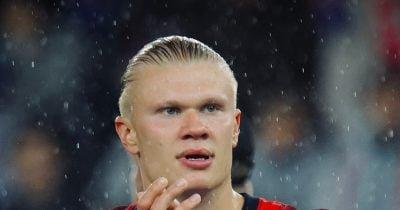
The ongoing FIFA World Cup 2026 in Miami not only showcases world-class football but also highlights the burgeoning intersection between sports and cryptocurrency branding. As Norway faces England in a tense quarter-final match, we witness not only athletic prowess but also significant implications for crypto visibility and market dynamics.
Game on and Brand Visibility
At halftime, the score is locked at 1-1, with both teams delivering a gripping performance that attracts a global audience. The significance of Norway's historic quarter-final appearance cannot be overstated, particularly given the star power of Erling Haaland, who has emerged as a key figure in this tournament, scoring seven goals so far. Meanwhile, England, a favorite to progress, has the formidable duo of Harry Kane and Jude Bellingham leading their charge.
This dramatic clash reinforces the notion that major sporting events represent fertile ground for brand visibility, especially for crypto and fintech companies seeking to capture the attention of a diverse audience. As crypto sponsorship becomes increasingly prevalent, the stakes are high not just for the teams involved but for the brands that align themselves with these events.
Regulatory Implications for Crypto Marketing
The co-hosting of the World Cup by the U.S., Canada, and Mexico brings unique regulatory considerations for any promotional activities. In particular, the U.S. regulatory landscape, characterized by a cautious approach from the SEC on token classifications, plays a crucial role in determining what crypto products can be marketed during broadcasts. This regulatory framework is vital for brands aiming to effectively engage with American viewers.
- Norway's first quarter-final appearance
- Impact of the SEC on crypto marketing
- Key players: Haaland, Kane, Bellingham
As the match unfolds, the intertwining of sports and crypto branding could set new precedents for future market strategies and advertising practices, shaping how both industries interact with consumers.
This material is informational and not a financial recommendation.