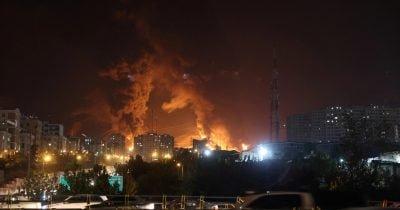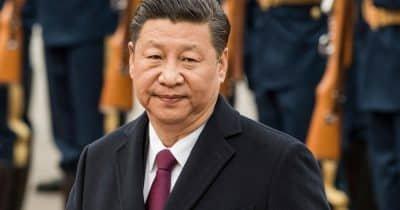
A recent warning from a Chinese academic has amplified the existing global tensions, emphasizing that any country employing nuclear weapons against China will face total annihilation. This statement reinforces China's longstanding nuclear policy of 'no first use', which asserts they will only respond with nuclear force if initially attacked by another country. The context of this announcement is critical; it arrives amidst heightened military activity involving the U.S. and Israel near Iran’s nuclear sites, suggesting a volatile atmosphere that could affect global diplomatic relations.
Strategic Implications of the Warning
This warning not only reflects China's commitment to its nuclear strategy but also serves as a reminder of the fraught geopolitical landscape in East Asia. It brings to light crucial considerations for investors and policymakers alike. Recent military exercises, including a nuclear attack response drill conducted by China, underscore its preparedness for potential confrontations, particularly focusing on Taiwan, which remains a flashpoint in China-U.S. relations.
- The highlight of the warning aligns with China's existing 'no first use' doctrine.
- Market indices appear to show a modest reduction in perceived risks of a military clash between China and Japan before 2027.
- Increased military readiness from China could exacerbate regional tensions.
Monitoring Future Developments
It is imperative for stakeholders to closely observe military movements in the Taiwan Strait and the contested Senkaku/Diaoyu Islands. These areas are potential flashpoints that could lead to heightened military conflict or, conversely, opportunities for diplomatic engagements. The dynamics surrounding China’s nuclear capabilities and their tactical posture will be pivotal in shaping market perceptions and could redefine investor confidence in the region.
This material is for informational purposes only and does not constitute financial advice.