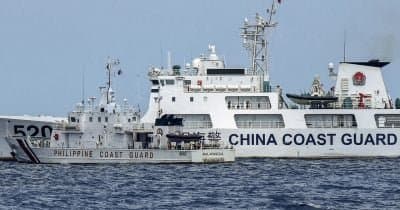
One Philippine sailor injured near Second Thomas Shoal highlights growing volatility between Manila and Beijing. The attack by a China Coast Guard member using a wooden baton marks a shift from gray zone tactics to overt aggression in a long-disputed maritime region.
This incident represents a clear breakdown of previous temporary arrangements designed to reduce clashes. Such a breach reflects escalating tensions that are no longer confined to political posturing or covert moves but now involve direct confrontations.
Market reaction shows the incident's gravity: prediction markets have sharply increased the odds of a full-scale military conflict between China and the Philippines before 2027. Traders are factoring in this confrontation as a critical inflection point, suggesting investor concern about regional stability and potential disruptions.
The implications extend beyond immediate geopolitical risks. A military clash could destabilize trade routes and energy supplies passing through the South China Sea, affecting global markets. Participants should watch for official statements from leaders including Philippine President Ferdinand R. Marcos Jr. and China’s Xi Jinping for clues on diplomatic or military escalation.
The shift from indirect to direct hostility also signals a potential redefinition of power dynamics in Southeast Asia. Previous diplomatic efforts have evidently failed to contain conflict, increasing the unpredictability of future interactions and market responses.
material informational, not financial advice