Gulf Arab nations have stepped up pressure on China to use its economic ties with Iran in hopes of reopening strategic maritime routes like the Strait of Hormuz and the Red Sea. This development emerges amid escalating tensions involving Iran, Israel, and the United States, which threaten global energy shipments and regional stability.
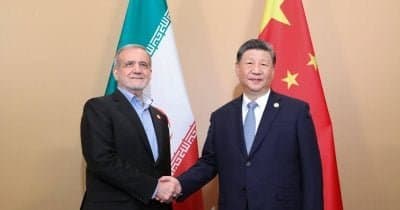
China remains Iran’s most significant economic ally and a major partner in the Gulf Cooperation Council, placing Beijing in a rare position to sway Tehran’s next moves. Yet, China’s long-standing preference to avoid direct military engagement means its response might stop short of tough diplomatic pressure. The region watches closely as Gulf states seek Beijing’s backing to ease the blockade disrupting trade flows through the key Strait of Hormuz, a chokepoint responsible for about one-fifth of the world’s oil shipments.
Market Sentiment Reflects Doubt
Current market pricing suggests only a 6.5% chance that traffic through the Strait will normalize by August 31, reflecting skepticism about China’s willingness or ability to compel Iran into cooperation. Iranian military actions maintaining or intensifying the blockade would diminish hopes further, while any official signals from Beijing hinting at a shift could boost confidence.
Political maneuvers in ongoing US-Iran talks also factor into these dynamics, creating a complex backdrop for China’s strategy. As Beijing balances its economic interests and geopolitical caution, the Gulf states seem to be testing how far China is prepared to go in shaping regional security.
This material is for informational purposes and does not constitute financial advice.