Yields on government bonds worldwide have climbed sharply, reaching their highest point since the 2008 financial crisis. The Bloomberg Global Treasury Index now averages a 3.68% yield, signaling mounting pressure on fixed income markets.
US 30-year Treasury yields hover just below their peak levels from 2007, while UK gilts have maintained a streak of closing above 5% for nearly 20 days, a rare event not seen in decades. In Germany, the 10-year government bond yield has surged to its highest since 2011. Japan’s longer-term bonds are also moving higher, with the 40-year yield surpassing 4% and the 5-year note hitting records since its inception in 2000. On the other side of the world, Australia now claims the highest benchmark yields among developed nations.
Market Impact and Volatility Ahead of Rate Announcements
This upswing arrives just days before major rate announcements from the Federal Reserve, Bank of Japan, and Bank of England. The selloff has pushed bond funds downward, with BlackRock’s iShares 20+ Year Treasury Bond ETF dropping close to 5% in the past month alone. Since 2020, this fund has lost over half its value, while the global bond benchmark lags by roughly 20% compared to its early 2021 peak.
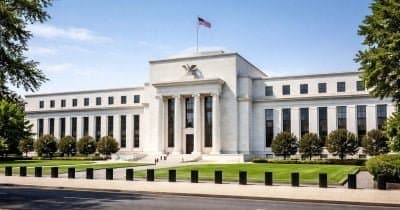
The shift follows stronger-than-expected US economic data, which has changed market expectations from anticipating rate cuts to debating possible hikes. Traders assign about a one-in-three chance that the Fed will raise rates at its upcoming July 28-29 meeting, highlighting the uncertainty among economists about the central bank’s path. Fed Chair Kevin Warsh’s recent reduction in forward guidance has added to market volatility, pushing the ICE BofA MOVE Index to a two-month high.
Energy prices stirred nerves earlier this week too. Brent crude briefly topped $100 per barrel, reigniting inflation concerns, before dropping 7% after Iran signaled a pause in supply disruptions. Meanwhile, gold prices climbed above $4,100 an ounce.
Higher global bond yields raise the baseline risk-free rate, forcing other assets to compete harder for returns. This dynamic pressures stock valuations, increases borrowing costs for companies, and weighs on governments with significant debt. Moody’s warns markets may have entered a phase of structurally higher inflation, elevated interest rates, and larger fiscal deficits.
For the cryptocurrency market, this environment presents mixed signals. While costlier capital limits investment, ongoing fiscal challenges enhance demand for hard assets. Bitcoin has so far resisted downturns, trading near $65,157 with a modest 1.3% gain over the last day. Its ability to maintain momentum will partly depend on how central banks act this week: Bitcoin’s recent price behavior offers some insight into investor sentiment ahead of the Fed’s announcement.
Wednesday’s decision by the Federal Reserve will reveal if bond markets have already priced in policy moves or if yields will climb further in response.