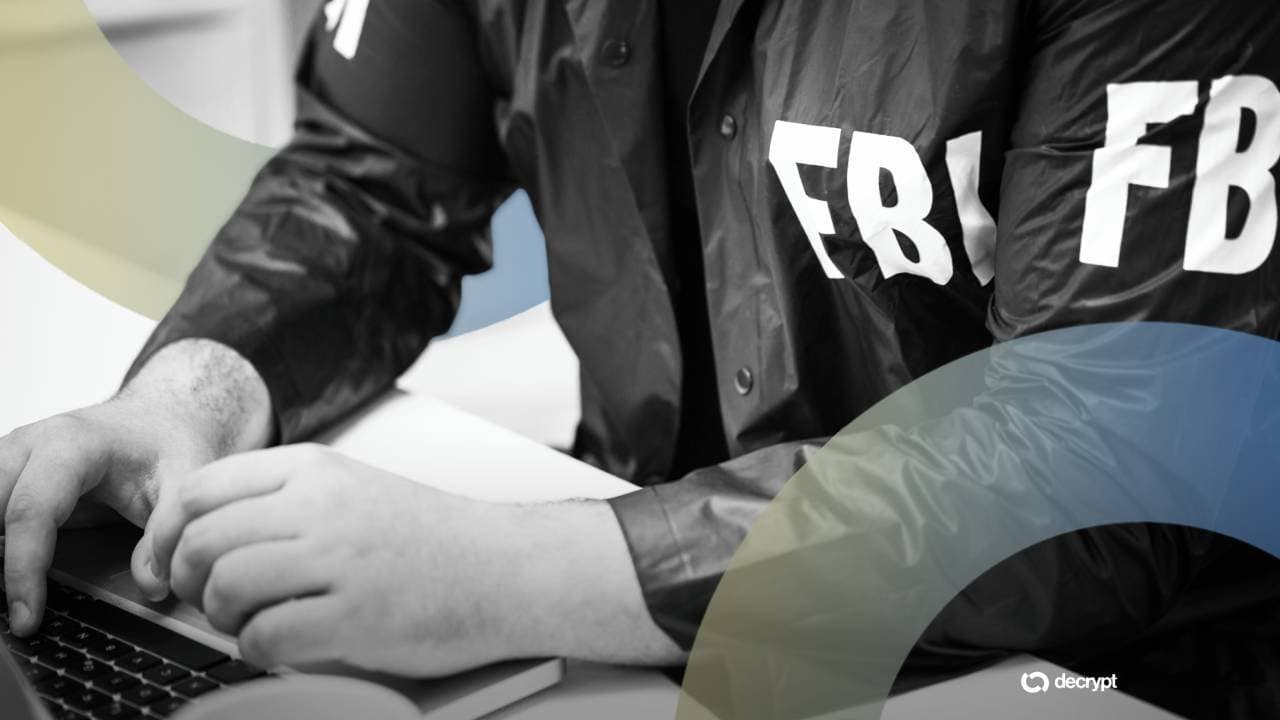
Patrick Steven Yaroch, a former FBI supervisory special agent, now faces federal charges for allegedly siphoning cryptocurrency from wallets seized during counterintelligence operations. Prosecutors say he diverted the funds into a decentralized lending protocol to earn interest, pocketing roughly $1 million in the process.
The theft unfolded across multiple investigations into foreign adversaries. Yaroch had legitimate access to cryptocurrency holdings confiscated as part of the bureau's national security work. Instead of keeping the digital assets secure, he moved them into DeFi platforms where they could generate yield. A Virginia federal court complaint details how the scheme went undetected for some time before law enforcement caught on.
How the Scheme Worked
Yaroch exploited his position within the FBI's investigative structure. He accessed wallets holding seized cryptocurrency and transferred portions to decentralized lending protocols. These platforms allowed him to earn passive income on the stolen funds. The arrangement created a paper trail that eventually led to his prosecution. Federal agents discovered the transfers during a routine audit or through tip-offs from inside the bureau.
The case highlights a critical vulnerability in how government agencies manage digital assets. When cryptocurrency becomes evidence in a case, it requires the same chain-of-custody procedures as traditional evidence. Yet the decentralized nature of crypto makes oversight more complex than physical assets locked in a vault.
Broader Implications
This incident raises uncomfortable questions about internal controls at federal law enforcement agencies. An FBI supervisor with top-level clearance was able to move significant sums without immediate detection. It suggests that agencies handling seized crypto may lack adequate monitoring systems or that existing checks failed to catch the activity in real time.
The Yaroch case also comes at a moment when government crypto holdings are getting closer scrutiny. Bhutan and other nations have started putting their digital assets to work rather than sitting on them, raising similar questions about custody and risk management. The difference is that governments are being transparent about their moves. Yaroch operated in secret.
Federal prosecutors will now need to prove intent and establish the full scope of the theft. If convicted, Yaroch faces significant prison time and forfeiture of proceeds. The case serves as a stark reminder that even trusted insiders can abuse access to valuable assets, regardless of whether those assets are physical or digital.
This article is for informational purposes only and should not be considered financial or legal advice.