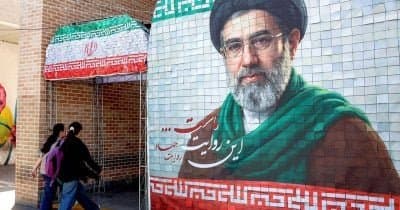
The recent assertion that the U.S. is backing a strategy to destabilize Iran has provoked considerable debate regarding its feasibility and potential repercussions. This strategy allegedly focuses on arming opposition groups to weaken the Islamic Republic's hold on power, a move critics argue lacks a nuanced understanding of Iran's political landscape.
Historical Context and Current Market Sentiment
Drawing parallels with the 1991 uprisings in Iraq, the critics emphasize that merely encouraging opposition without robust support mechanisms has historically led to dire consequences for activists struggling against well-entrenched regimes. The situation in Iran is no different, and observers note that the strategy may oversimplify the complexities of Iran's sociopolitical environment.
Market reactions to these claims reflect a cautious outlook on the possibility of leadership change in Iran by the end of 2026. Currently, prediction markets assign only a 4% probability to the scenario where Iran lacks a head of state by that time, indicating a broader skepticism about the efficacy of external strategies aimed at destabilizing the regime.
Geopolitical Implications and Future Observations
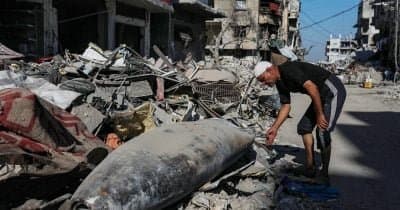
The ongoing tensions between the U.S. and Iran, exacerbated by a recent three-month conflict, continue to shape investor sentiment. External pressures, combined with internal dynamics, are crucial to understanding the potential for disruption within Iran. As such, market participants are urged to monitor upcoming developments, such as shifts in U.S. policy, increased cohesion among opposition factions, or significant protests that might affect the regime's stability.
- Reactions from key international players will be critical.
- Economic indicators could reveal vulnerabilities within Iran's leadership.
- Public sentiment towards the regime may signal shifts in power dynamics.
As speculation mounts regarding Iran's future leadership, the marketplace for political predictions serves as a barometer for investors looking to gauge the outcome of these geopolitical tensions. Observers will need to tread carefully, given the complexities involved in regime change scenarios.
This material is informational and not financial advice.