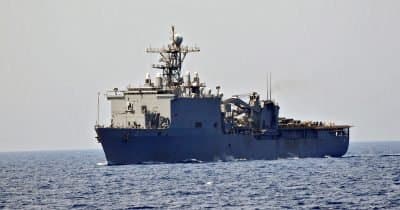
Just recently, China has ramped up military activity near Taiwan, conducting simulations that reportedly utilized mock-ups of American naval ships. This escalation is a stark reminder of the intricate and often tense geopolitical dynamics in the region, where even simulated exercises can have profound implications for stability and international relations.
These military simulations are indicative of a broader strategy by Beijing, aiming to exert gray-zone pressure on Taiwan. The goal is clear: to reassert Chinese sovereignty over an island that it views as a breakaway province. As part of this strategy, China appears to be testing its anti-ship missile capabilities, a move that shows its intentions regarding potential U.S. intervention in the event of a conflict.
Recent data from prediction markets indicates a modest uptick in the perceived likelihood of a Chinese invasion of Taiwan by 2027. This growing concern among analysts and investors can lead to increased market volatility. For instance, any mistakes from either side during these heightened tensions could drastically change the risk landscape for regional economies and global markets. Thus, the situation merits close monitoring for signals that may either escalate or de-escalate the current adversarial posture.
In addition, observers should keep an eye on official communications from both Beijing and Taipei, which could provide crucial insights into the evolving standoff. The U.S. continues to bolster Taiwan’s defense with arms sales, a move that has consistently drawn ire from China and could provoke further military responses.
Potential developments to watch include shifts in military operations, such as increased naval patrols or air incursions, which could signal a significant change in the operational tempo by either China or Taiwan. Alterations in these dynamics could foreshadow broader changes in the geopolitical landscape.
This article offers an analysis of current military tensions and is not financial advice.