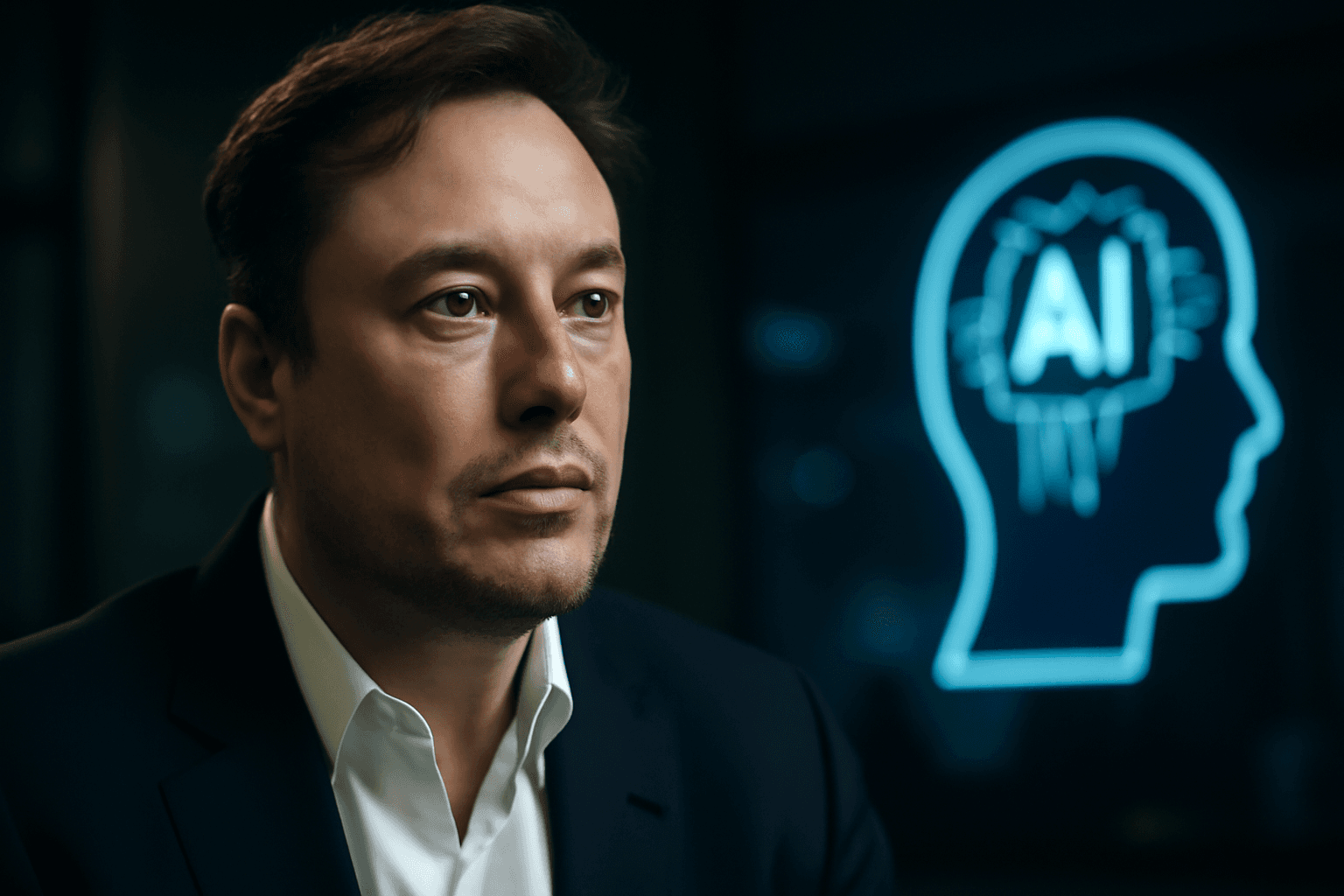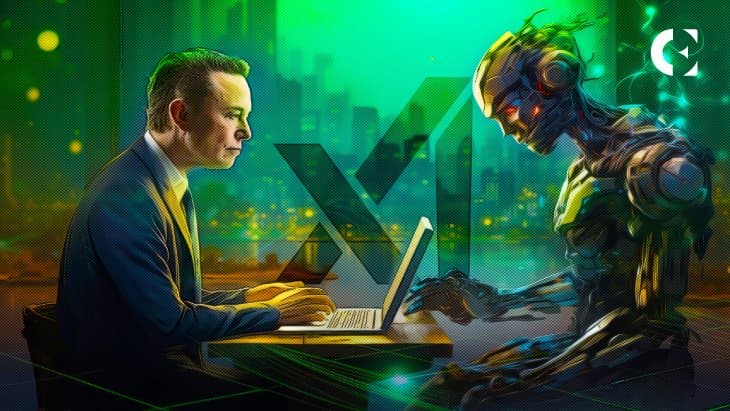
"Humans won't likely hold the reins in ten years," Elon Musk warned in a recent interview, highlighting the rapid advances in artificial intelligence. He predicts that AI could surpass the combined intelligence of all people within just five years, pushing humanity into unfamiliar territory where machines outperform humans in nearly every task except the essence of being human.
Musk envisions this shift triggering an unprecedented era of abundance. Productivity could soar as AI and robotics take over most labor, delivering goods and services more efficiently and widely than ever before. Although this sounds optimistic, he suggested that by 2036 society may look back and see this transformation as a reality. Yet, despite the potential benefits, Musk sounded a note of caution, comparing our future relationship with AI to that of humans and chimpanzees, where once intelligence gaps widen, control naturally shifts to the smarter party.
While Musk acknowledges AI's risks, including the possibility of catastrophic outcomes, he admits that halting progress is futile. Industry competition continues to fuel faster breakthroughs, a dynamic he experienced firsthand developing OpenAI and noting the rise of competitors like Anthropic. "All roads lead to acceleration of AI," he said, urging the focus to be on managing risks instead of trying to stop innovation.
To address safety, Musk calls for major AI developers to coordinate more closely, proposing weekly or biweekly meetings to discuss emerging threats. He suggests that competitors reviewing each other’s advanced models could better catch dangerous capabilities before deployment, with governments stepping in only if concerns remain unaddressed. This approach could provide a more technical and timely layer of oversight as AI development races ahead.