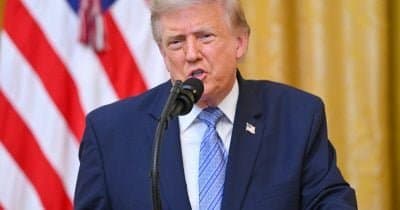
The claim that US airstrikes targeted a missile site in Tabriz, Iran, on July 20 challenges prevailing narratives about the regional conflict, with some reports attributing similar past attacks to Israeli forces instead. This discrepancy underlines the difficulty in confirming military actions amid a fog of misinformation. It also illustrates the volatile information environment around heightened tensions in the Gulf region, where strategic interests of multiple state actors collide.
Conflicting Reports and Their Market Implications
Social media videos circulated by sources such as Vahid Online via the @IranIntl_En handle purport to show these strikes. Yet, credible sources remain skeptical, often pointing to Israel as responsible for comparable previous attacks on missile facilities. This ambiguity feeds into market uncertainty, driving speculative betting on geopolitical risks. prediction markets have priced a 58.5% probability by July 22 that Iran will undertake military action against Gulf states, reflecting investor anticipation of heightened conflict.
The rise in these odds suggests traders see an escalation of clashes as increasingly likely, which could translate into fluctuations in assets sensitive to Middle East stability, including energy prices and geopolitical risk tokens. The situation poses risks not only to direct regional investments but also to global markets dependent on Gulf oil supply and secure shipping lanes.
Critical Factors to Monitor for Regional Stability
Officials from both Washington and Tehran are yet to confirm or deny these alleged strikes. Any verified engagement could rapidly shift market sentiment toward risk-off positioning across sectors linked to security and resource supply chains.
Close attention will also be paid to developments around the Strait of Hormuz, a strategic chokepoint critical for global energy shipments. Iranian naval maneuvers or retaliatory movements against US allies in the region would shows an intensification of hostilities, influencing shipping insurance costs and related market variables.
The diplomatic tone from Iranian leadership and Gulf states will offer additional cues to investors gauging the potential for prolonged conflict. Given the interconnectedness of these dynamics with broader market responses, this emerging episode warrants vigilant monitoring.
The analysis is for informational purposes and does not constitute financial advice.