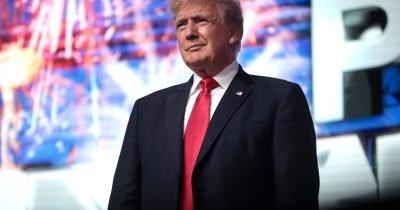
On July 8, 2026, President Trump declared the US-Iran ceasefire "over", a statement that immediately impacted global risk assets, including Bitcoin, which experienced a decline of over 2%. This incident underscores the intricate relationship between geopolitical tensions and the cryptocurrency market, highlighting investors' sensitivity to global events.
Why This Matters for Investors
The breakdown of the recent ceasefire has immediate implications on energy supplies and could exacerbate market volatility. As a critical region for global oil trade, any disruptions caused by renewed conflict will likely lead to increased prices and market fluctuations.
- Bitcoin dropped more than 2% following the announcement.
- The ceasefire lasted only about a month before collapsing.
- Renewed Iranian attacks in the Strait of Hormuz are affecting commercial shipping.
Such developments can lead to a "risk-off" sentiment among traders, shifting their focus from high-risk assets to more stable investments. For crypto investors, this means more caution is warranted, as Bitcoin and altcoins tend to follow traditional financial markets closely during times of uncertainty. Notably, historical data shows that geopolitical crises often precipitate significant movements in Bitcoin's price, with investor sentiment fluctuating in response to news.
What to Watch Moving Forward
Observing shipping data within the Strait of Hormuz will be critical, as it serves as a real-time measure of how much the ongoing conflict may disrupt global trade. Additionally, upcoming announcements regarding US sanctions on Iranian oil exports could further exacerbate supply issues. This situation raises the possibility of heightened volatility across the cryptocurrency landscape, particularly if sanctions complicate the energy supply chain.
This material is for informational purposes only and should not be considered financial advice.