The traditional timeline of financial transactions has long been dictated by the T+2 settlement standard, which typically means that trades are settled within two business days. However, recent insights from Richard Teng, Co-CEO of Binance, suggest that this model is at the brink of disruption due to emerging blockchain financial infrastructures. His remarks on the podcast ‘Figuring Out’ indicate that we might be on the verge of a transformative shift in how global finance operates, essentially redefining the very framework of banking and asset management.
Why This Shift is Significant for Market Participants
Understanding the implications of transitioning from T+2 settlement to blockchain-enabled atomic settlement is crucial for investors and financial institutions alike. The current model presents several challenges:
- A T+2 cycle involves multiple intermediaries including brokers and custodians, increasing transaction costs and operational risks.
- The gap creates a period of counterparty risk, as one party could default before the ownership transfer is official.
- Restricted trading hours hinder the ability to respond to market volatility in real time.
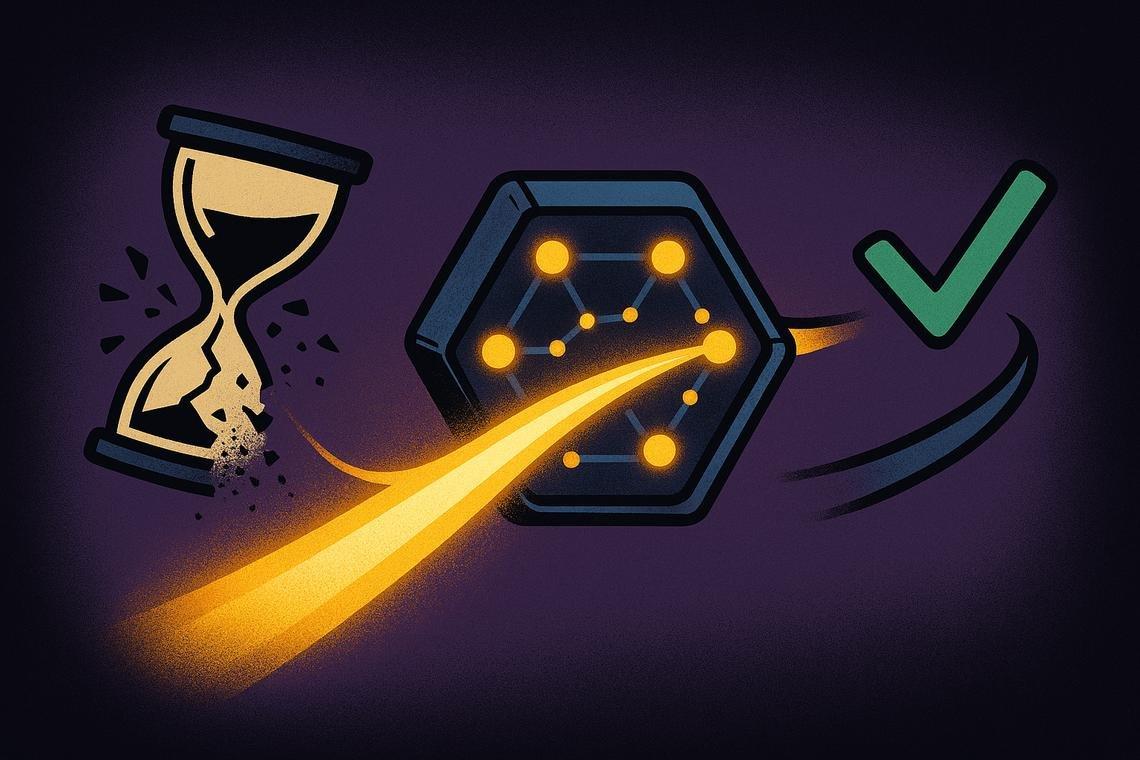
Given these constraints, the potential for blockchain technology to provide near-instantaneous transaction finality could revolutionize market operations. By facilitating atomic settlement, where transactions are fully completed or not executed at all, the reliance on an antiquated system with numerous friction points might soon become obsolete.
The Advantages of Blockchain in Financial Transactions
Blockchain technology offers several key benefits over the traditional settlement infrastructure:
- Instantaneous transactions eliminate back-office reconciliation delays, streamlining the settlement process.
- Digital asset markets operate continuously, allowing for unrestricted liquidity and quicker reactions to external events.
- Enhanced security through advanced fraud detection mechanisms, with Binance deploying over 100 AI models to safeguard user transactions.
Teng emphasizes that if one were to build a financial institution from scratch today, the design would vastly differ from current establishments. Such a shift underscores a critical evolution in how assets are traded and settled, suggesting a move towards a more integrated, instantaneous, and less risky trading environment.
What’s Next for Blockchain and Financial Markets?
This transition could accelerate as more institutions adopt blockchain technologies. Market participants should keep an eye on upcoming developments regarding regulatory stances and technological advancements that facilitate this shift. Critical questions remain: Will traditional financial institutions adapt quickly enough, and how will regulators respond to the evolving landscape? As the momentum builds, investors may find opportunities within this transformational phase, especially if blockchain settlement systems gain traction.
This material is for informational purposes only and should not be considered financial advice.