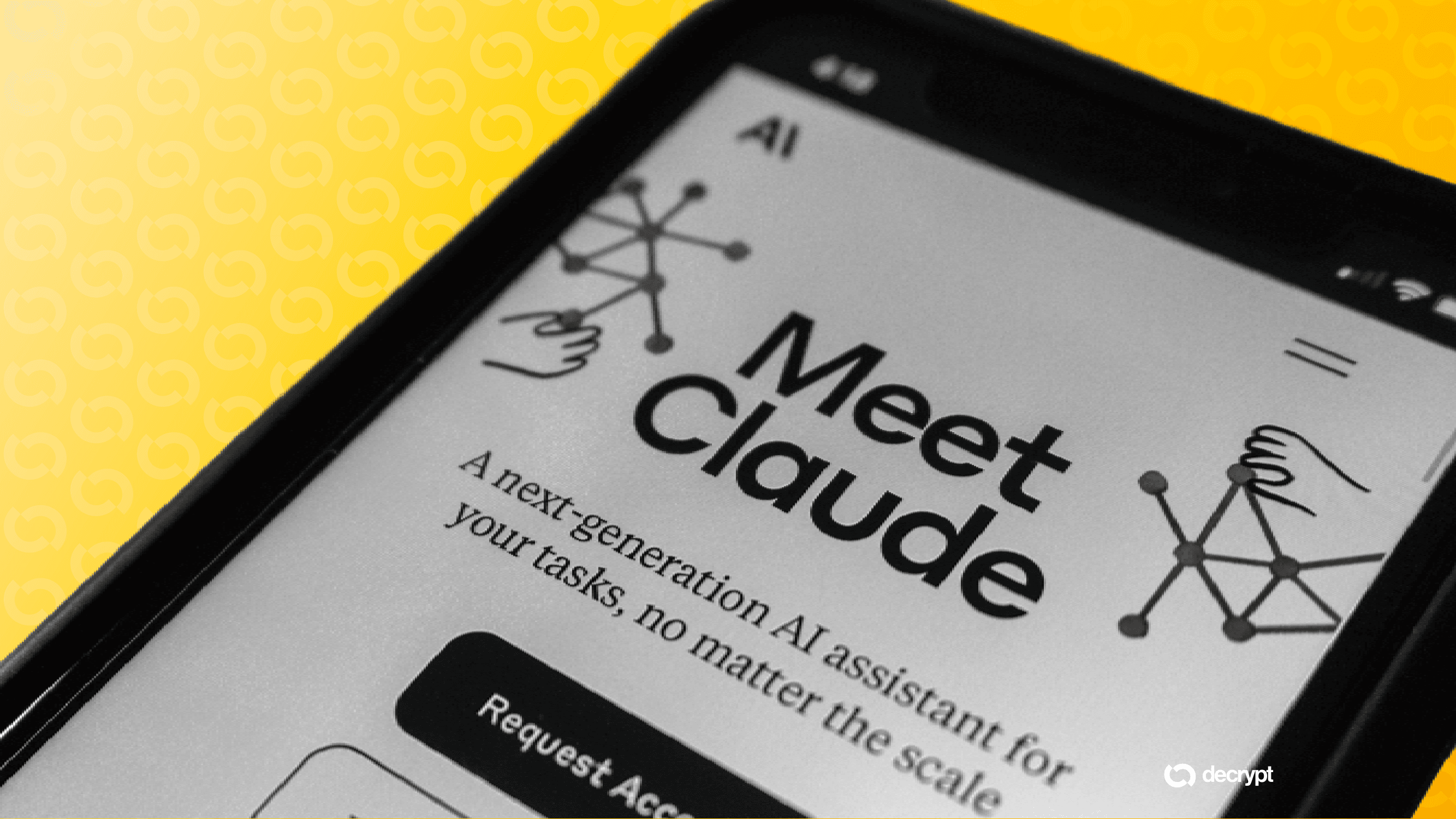
Claude Sonnet 5 by Anthropic Delivers Near-Opus 4.8 Performance at a Much Lower Cost
Anthropic's Claude Sonnet 5 is closing the performance gap with the flagship Opus 4.8 model while offering a significantly lower price, making advanced AI capabilities more accessible than ever.
Anthropic has made a significant move in the competitive AI landscape with the release of Claude Sonnet 5, a model that is rapidly closing the performance gap with its more powerful sibling, Opus 4.8 — but at a dramatically reduced price point. This development is turning heads across the tech and AI communities, as it signals a new era where high-end AI capabilities may no longer come exclusively with a premium price tag.
Claude Sonnet 5 has been positioned by Anthropic as a mid-tier offering, yet its benchmark results suggest it performs at a level that rivals the flagship Opus 4.8 in many key areas. For developers, researchers, and businesses that rely on large language models for everyday tasks — from code generation and text summarization to complex reasoning — this represents a compelling value proposition. Why pay top dollar for Opus 4.8 when Sonnet 5 delivers comparable results for a fraction of the cost?
The pricing gap between the two models is substantial. Opus 4.8, Anthropic's most capable model, commands a premium rate per token that reflects its extensive training and capabilities. Sonnet 5, by contrast, offers a significantly cheaper alternative while maintaining a level of quality that many users will find more than sufficient for their needs. This kind of cost-efficiency democratizes access to advanced AI tools, making sophisticated language model capabilities available to smaller startups, independent developers, and academic institutions that might otherwise be priced out.
Anthropics's strategy here mirrors a broader industry trend: as AI models mature and training techniques improve, companies are finding ways to distill high performance into leaner, more affordable packages. Rather than forcing users to choose between affordability and quality, Sonnet 5 appears to bridge that divide in a way that previous mid-tier models failed to achieve.
Critically, the improvements in Sonnet 5 are not limited to raw benchmark performance. Users who have tested the model report enhanced contextual understanding, better instruction-following, and more nuanced responses across a variety of prompts. These qualitative gains, combined with the quantitative benchmark data, paint a picture of a model that is genuinely competitive with the upper echelon of Anthropic's own lineup.
For the enterprise market, this is particularly noteworthy. Companies running thousands or millions of API calls per month stand to save enormous sums by switching from Opus 4.8 to Sonnet 5 without experiencing a meaningful drop in output quality. Over time, those savings could be reinvested into expanding AI-driven workflows or funding additional development resources.
The release of Claude Sonnet 5 also raises broader questions about the trajectory of AI development. As mid-range models continue to improve, the justification for premium-tier models becomes increasingly narrow. Anthropic will need to ensure that Opus 4.8 — and any future flagship releases — offer genuinely differentiated capabilities to maintain their premium positioning in the market.
Overall, Claude Sonnet 5 represents a meaningful step forward for Anthropic and for the AI industry as a whole. It demonstrates that performance and affordability are not mutually exclusive, and it sets a new standard for what users should expect from mid-tier AI models going forward.