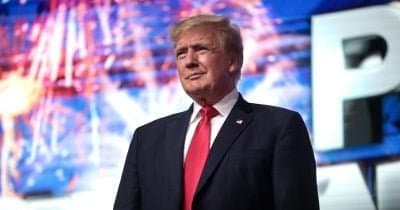
The unexpected news that China may be supplying Iran with 400 rocket launchers has rattled diplomatic circles. This move clashes directly with Chinese President Xi Jinping’s earlier assurance that China would refrain from arming Iran. Former U.S. President Donald Trump voiced clear surprise, highlighting the sharp contrast between the promise and the reported weapons transfer.
Potential Shift in U.S.-Iran Negotiations
The alleged delivery of Chinese shoulder-fired air-defense missile launchers arrives amid ongoing conflict between the U.S. and Iran, with China and Israel playing critical but contrasting roles in the regional dynamics. If confirmed, this shipment could escalate Iran's military capabilities significantly. It complicates plans for a possible U.S.-Iran agreement slated for 2026, which envisages reconstruction aid and limits on Iran's nuclear program.
Market analysis reflects this tension. Investors are recalibrating risks connected to the deal's viability, as enhanced Iranian air defense could harden negotiating stances. This uncertainty affects not only diplomatic efforts but also global market pricing around reconstruction funding scenarios.
Diplomatic Repercussions and Security Concerns
The gap between Xi’s promise and the reported arms supply raises questions about Beijing’s commitment to arms control and transparency. Trump’s reaction shows a potential source of friction between Washington and Beijing. Meanwhile, Iran's bolstered air defense capacity may shift regional power balances, raising alarms among U.S. allies and complicating peace prospects.
Observers are closely watching for official statements from China, Iran, and the U.S. to clarify the situation. Any confirmation could trigger diplomatic responses and impact ongoing negotiations. The uncertain geopolitical environment keeps markets on edge, recalibrating expectations for stability in the Middle East.
This content is for informational purposes only and does not constitute financial advice.