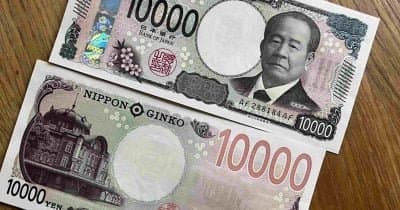
Early August 2026 brought the first coordinated US-Japan currency intervention since 1998, yet emerging-market carry trades barely flinched. The Bloomberg EM FX Carry Risk Premia Index dropped just 1%, a stark contrast to August 2024 when a similar yen rally hammered the same index by 4%.
The intervention hit around August 1, with official confirmation from the US Treasury and Japan's Finance Ministry on August 3-4. US Treasury Secretary Scott Bessent and Japan's Finance Minister Satsuki Katayama framed it as essential for global stability. President Trump also took to the public stage, calling it a critical stabilization move.
A carry trade works simply. Borrow cheap in one currency, say yen, then park the cash in higher-yielding assets elsewhere, like Brazilian or South African bonds. The interest rate spread is your profit, as long as the borrowed currency doesn't spike and wipe out gains.
That's exactly what torched traders in August 2024. A sharp yen rally forced brutal unwinds as carry positions collapsed under pressure. Traders dumped emerging-market assets in a scramble for exits.
But the playbook has shifted. Instead of loading up on yen-funded bets, carry traders have diversified into the euro and Swiss franc as funding currencies. Both offer low borrowing costs while spreading risk across multiple currency pairs. If yen spikes, traders funded in euros and francs face far less liquidation pressure.
This shift severed the direct link between yen intervention and emerging-market asset prices. When central banks buy yen, the appreciation pressure now hits only a smaller slice of the carry trade universe. The result tells us something key about modern markets, traders have learned to route around the old transmission mechanisms that once made policy interventions devastating.
This material is for informational purposes only and should not be construed as financial advice or investment guidance.