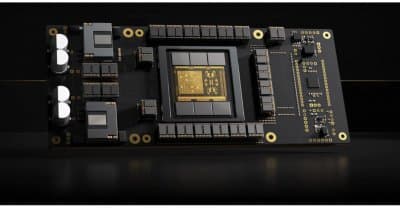
AMD stock climbed roughly 1.45% on Thursday as the company took the stage at Moscone West in San Francisco to launch Helios, its first rack-scale AI system aimed squarely at Nvidia's grip on the data center GPU market.
What Helios Actually Is
Helios is not a single chip. It bundles four product lines into one integrated platform built for AI training and inference at scale:
- Instinct MI455X GPUs
- EPYC Venice CPUs (also getting their formal data center debut at this event)
- Pensando networking chips
- ROCm software stack
The rack-scale approach mirrors what Nvidia has been selling to hyperscalers for years. Nvidia still holds over 95% of the data center GPU market, per Futurum Group estimates cited by CNBC. AMD sits at around 4.5%. Those numbers are brutal, but AMD's data center revenue tells a different story: $5.78 billion in Q1 2026, up 57% year-over-year. The gap is enormous; the trajectory is not flat.
Anthropic and Microsoft Deals Give Helios Real Weight
The hardware launch landed with two significant customer commitments already in place. On Wednesday, AMD announced a deal with Anthropic to deploy up to 2 gigawatts of Instinct MI450 Series GPUs inside Helios systems. The first gigawatt of that deployment is scheduled to begin in the first half of 2027. AMD is also putting up to $5 billion into Anthropic as a strategic equity investment, and the two companies will run a multi-year engineering collaboration focused on optimizing Claude workloads on Instinct GPUs and accelerating ROCm development. Anthropic co-founder and chief compute officer Tom Brown said the partnership is about "securing the capacity we need and optimizing it for training and serving Claude."
Microsoft, meanwhile, will deploy Helios on Azure for frontier model inference. AMD expects shipments to begin in the second half of 2026. That timeline puts Helios hardware in production clouds within roughly 18 months. Add to that a multiyear deal with OpenAI announced back in October 2025, which could bring AMD tens of billions in annual revenue, and the customer roster starts to look less like a long shot and more like a real commercial pipeline.
Nvidia's lead is still massive. But AMD is no longer just pitching specs at trade shows.
This article is for informational purposes only and does not constitute financial or investment advice.