"Why are we selling?" That question hung over trading floors on August 5 after AMD shares collapsed 8.8% in after-hours trading, closing at $472.94. The move came straight after the chipmaker posted earnings that any analyst would call a home run. Revenue hit $11.54 billion against forecasts of $11.28 billion. EPS landed at $1.66 versus expected $1.62. The company guided for $13 billion in Q3 revenue, crushing the $12.52 billion consensus. And there was more: AMD projected its data center sales would double by 2027. On paper, everything pointed up. Yet the stock went down anyway.
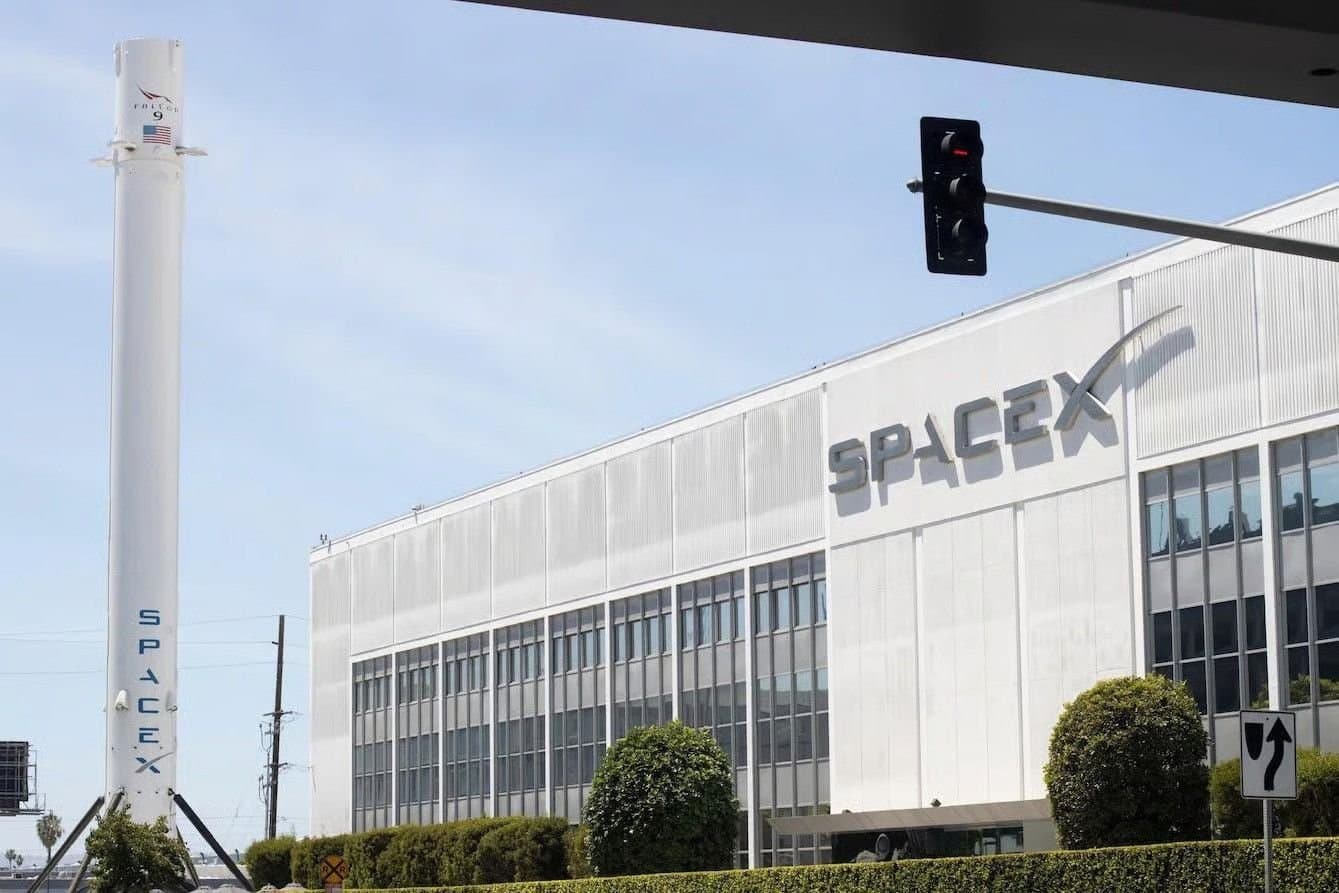
The culprit might not have been AMD at all. On the same day Elon Musk announced that SpaceX would use Nvidia chips exclusively because "they are the best." That single tweet rippled through semiconductor stocks with outsized force. SpaceX's AI footprint remains small, so the direct revenue impact on either chipmaker is negligible. But Musk's track record of moving retail money through social media carries weight. Some traders read the endorsement as a subtle signal that even his own companies saw Nvidia as superior, which was enough to spook AMD holders into selling. The reality was murkier, though. AMD's capital expenditures jumped from $282 million to $808 million year-over-year, a massive increase that spooked some investors despite being manageable in absolute terms. Others suspected the real story was simpler: trader expectations had run so far ahead of Wall Street's forecasts that anything less than a complete blowout would feel like underperformance.
None of this changes AMD's 2026 performance. The stock remains up 132% for the year, making it one of the market's biggest winners despite the latest stumble. The after-hours plunge erased perhaps a week of gains, nothing more. For long-term holders focused on the data center bet and AI infrastructure buildout, one August evening of volatility reads as noise. For short-term traders chasing momentum, though, the whipsaw was a reminder that sentiment can flip faster than earnings can beat.
This article is informational only and does not constitute investment advice. Market movements in semiconductor stocks are driven by multiple factors including geopolitical conditions, supply chain dynamics, and investor sentiment.