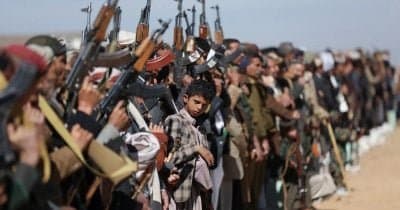
Reports confirm that airstrikes recently targeted Houthi positions in Marib and Al-Jawf, key areas in northern Yemen. These strikes are part of the ongoing civil war, where the Houthis maintain control over large swaths of territory including the capital, Sanaa, while the internationally recognized government and its allies hold other strategic zones. The recent attacks mark a significant uptick in military operations against Houthi-controlled regions.
This surge in airstrikes reflects the escalating conflict that has gripped Yemen for years, with northern provinces often experiencing some of the fiercest confrontations. The Houthis have been resilient, but the intensified air campaigns put additional pressure on their hold over these areas. This escalation not only affects local dynamics but potentially shifts the broader geopolitical balance in the Middle East.
Market observers are watching closely, assigning a 6.5% probability to possible Houthi military action against Israel by the end of July. This reflects growing concerns about retaliatory moves from the Houthis amid increased hostilities. Statements from key figures like Yahya Saree and Abdul-Malik al-Houthi will be critical in signaling whether the group plans to escalate further.
Diplomatic efforts involving Iran and the United States remain fragile, and any shifts could either cool tensions or exacerbate the conflict. Meanwhile, heightened activity from Iranian-backed groups or changes in the Israeli Security Cabinet’s posture may also influence the situation dramatically.
Markets have started to price in these risks, reflecting uncertainty about the conflict's trajectory and its impact on regional stability.