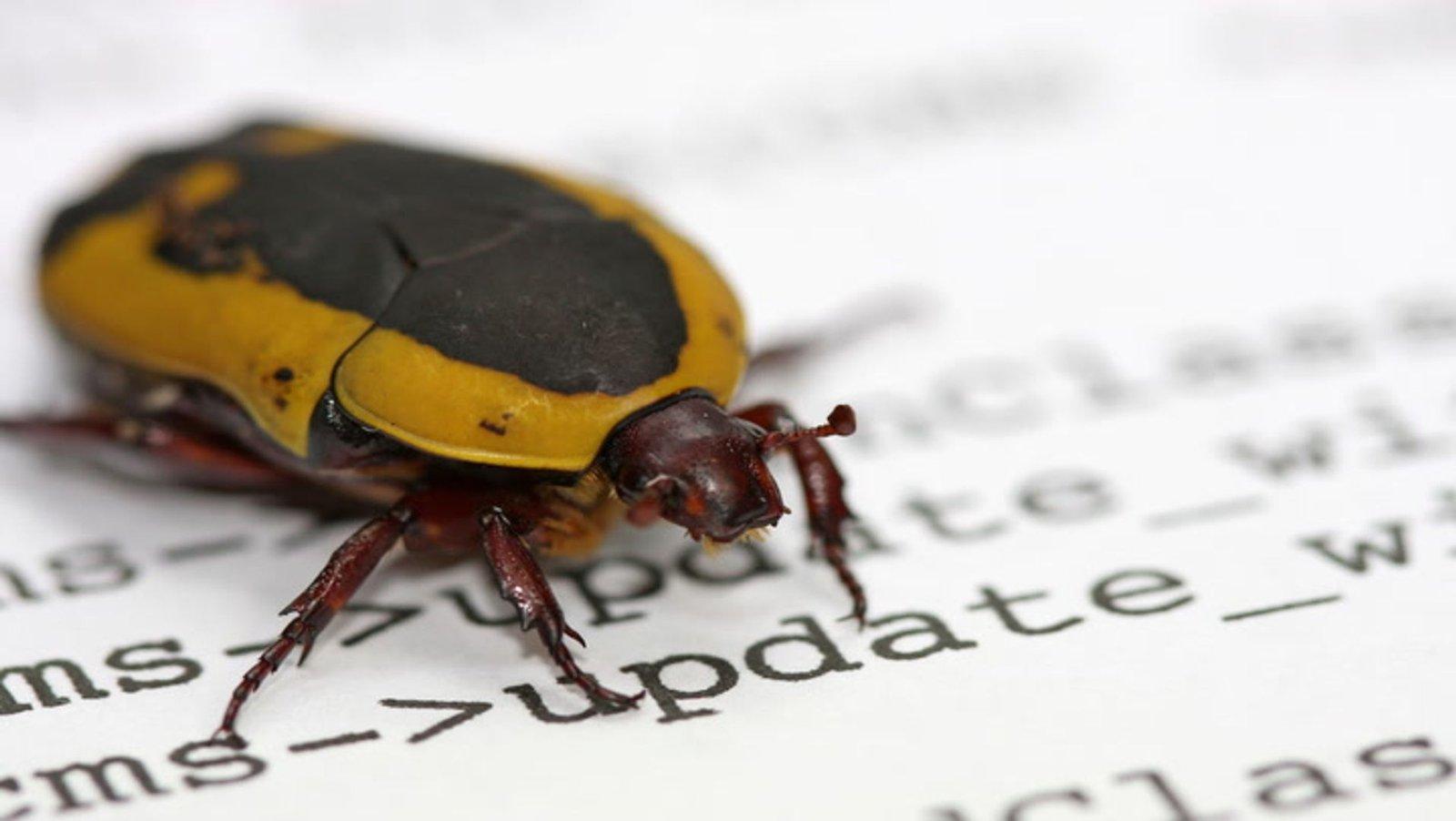
In a recent initiative, the Ethereum Foundation employed artificial intelligence agents to identify vulnerabilities within the gossipsub messaging system used by the Ethereum network. The endeavor led to the discovery of a significant bug that could potentially take validator nodes offline. This bug has been classified as CVE-2026-34219 and has since been rectified. However, the findings underscore not only the capabilities of AI in improving blockchain security but also the inherent challenges it presents.
While the AI agents successfully identified certain bugs, a substantial portion of the effort was dedicated to distinguishing actual vulnerabilities from false positives issues that appeared serious but ultimately lacked merit. According to Nikos Baxevanis, a developer involved in the process, the unexpected realization was how little of the work focused on finding genuine bugs, compared to the work needed to validate them. AI tools, while potent, generated narratives that could mislead developers, making human oversight crucial.
The Complexity of Automated Testing
The recent experience provides valuable insights for the broader crypto ecosystem, particularly as AI becomes increasingly integrated into testing environments. Traditional testing methods, such as fuzzers that bombard software with malformed data, yield quick confirmations of issues. In contrast, AI agents develop detailed scenarios that may complicate rather than clarify vulnerabilities.Similar challenges have arisen in other areas of the crypto space, where distinguishing between genuine risks and misleading indicators is paramount for developers and investors alike.
Implications for Validators and the Ethereum Network
For validators, who play a critical role in maintaining the integrity of the Ethereum network by processing transactions and securing blocks, the implications of the discovered bug are noteworthy. Should a validator node be taken offline unexpectedly, the overall efficiency and security of the network could be jeopardized. This highlights the necessity for continuous monitoring and rapid responses to potential vulnerabilities, reinforcing the importance of meticulous human verification, especially in the context of critical network operations.
The Ethereum Foundation's findings not only emphasize the need for robust automated solutions but also indicate the persistent value of human intuition and expertise in cybersecurity. As the blockchain ecosystem evolves and more sophisticated threats arise, balancing the use of AI with human scrutiny will be essential for maintaining network resilience in the face of attacks.
This material is informational and does not constitute financial advice.