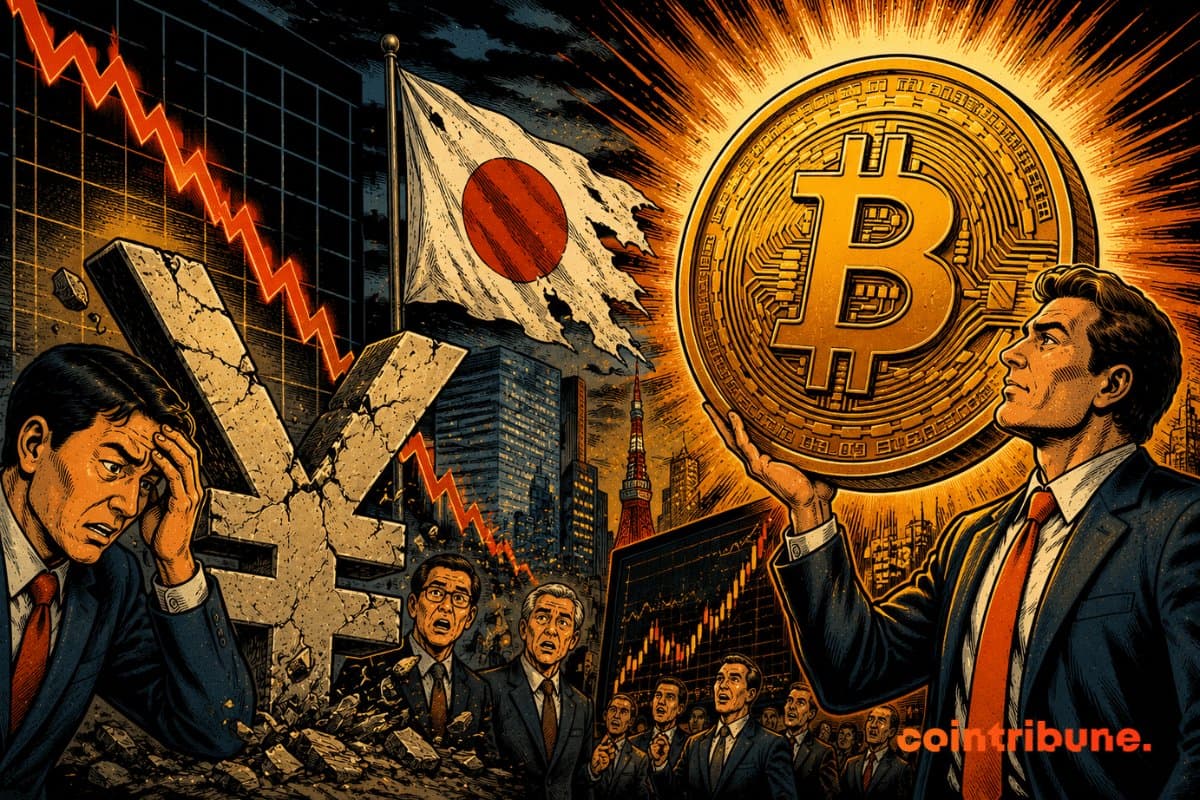
The yen hit 163.23 against the dollar on July 21, 2026, marking its weakest level since December 1986.
Despite the Bank of Japan's efforts to raise interest rates to levels not seen since 1995, the currency's decline continued, fueled by persistently negative real rates compared to rising U.S. Treasury yields.
On the same day, the 10-year U.S. Treasury yield reached 4.64%, while the 30-year yield climbed to 5.15%, supporting the U.S. dollar's strength.
Adding to the yen's woes, Brent crude prices surged to $92.67 a barrel in Asia amid heightened tensions between the United States and Iran. As Japan heavily relies on imported energy, higher oil costs strain its trade balance and weaken the yen further.
Tokyo has warned it may intervene by purchasing yen to prevent a disorderly slide, but traders remain skeptical about long-term impact if the yield gap persists. Earlier interventions in April and May 2026, when the dollar surpassed 160 yen, had only temporary effects.
Finance Minister Satsuki Katayama promised decisive measures against excessive volatility but stopped short of specifying an intervention threshold.
Economists surveyed by Reuters expect the Bank of Japan to hike rates again later this year, possibly in October, though no moves are anticipated this quarter.
The yen’s severe depreciation has revived interest in scarce assets like Bitcoin, as its fixed supply contrasts with weakening fiat currencies. Yet, Bitcoin's price risks remain.
This article provides information and is not financial advice.