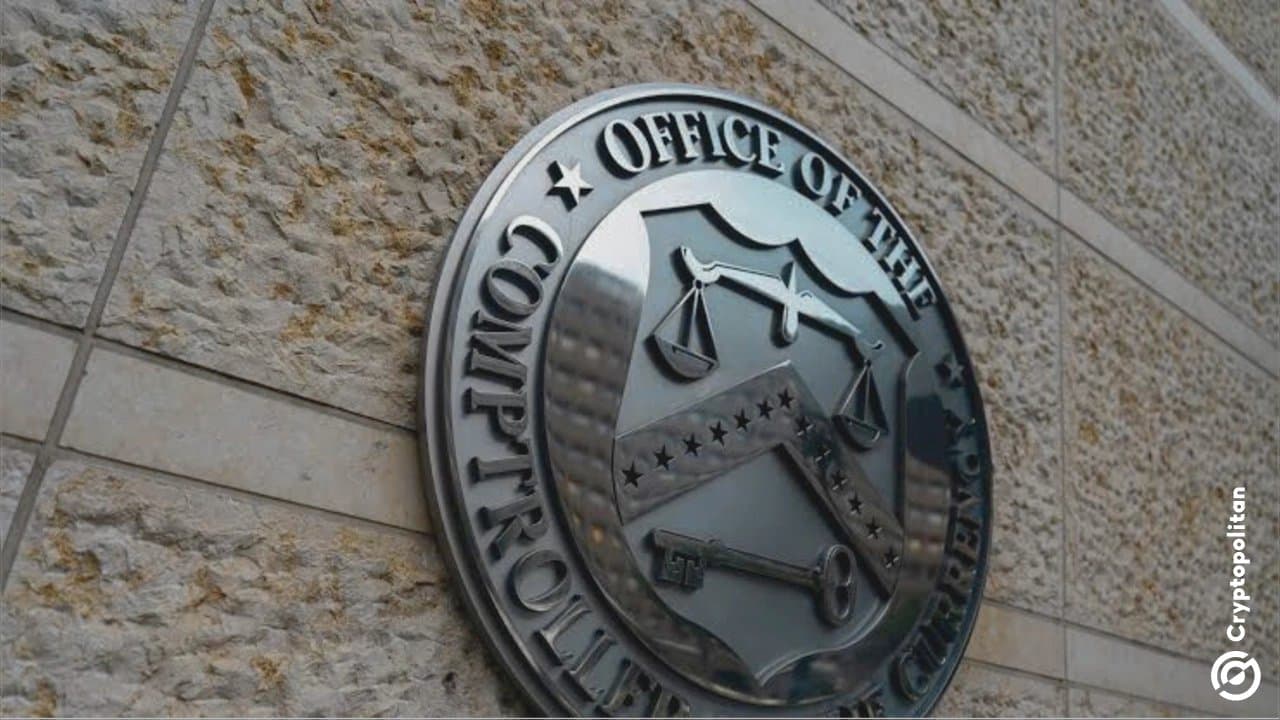
"This is a setback but not the end of the road," said a market analyst shortly after Wise's shares plunged following the OCC's decision. The UK-based fintech firm saw its stock fall sharply by 11% within hours after the Office of the Comptroller of the Currency rejected its application for a US national trust bank charter. The refusal stems from deficiencies in Wise’s anti-money-laundering (AML) controls, raising serious compliance concerns for regulators.
Wise’s bid to secure a bank charter in the US has been closely watched since the company shifted its primary listing to Nasdaq in May. The fintech, aiming to expand its footprint in the competitive American market, has faced roadblocks before. The OCC highlighted a 2025 Multi-State Consent Order involving multiple US states, which flagged weaknesses in Wise’s AML program. This public order played a key role in the denial, alongside concerns over the firm’s lack of fiduciary experience.
Unlike some predecessors such as Monzo, which withdrew applications after regulator pushback, Wise chose to move forward, resulting in a formal rejection instead of a quiet withdrawal. This refusal is notable because the OCC has recently approved similar charters for crypto firms like Ripple, Circle, and BitGo since late 2025, indicating the agency’s standards remain stringent for fintechs with AML shortcomings. Wise plans to refile under the GENIUS Act, hoping to address these regulatory issues and regain footing in the US market.
Stock market reactions showed the impact clearly: shares on the London Stock Exchange dropped from 905 pence to around 844 pence early Friday, while Nasdaq pre-market trading recorded a 6.5% dip to $12.08. Investors now watch closely as Wise navigates the fallout and prepares its next steps. This development highlights how regulatory challenges continue to shape fintech strategies in the US banking landscape.