Why Solana's $3.4B RWA Milestone Signals a Structural Shift in Tokenization
Solana's real-world asset ecosystem has surpassed $3.4 billion in total value, reaching a new all-time high in under three years. We break down what this means for institutional adoption, competitive dynamics, and the broader tokenization market.
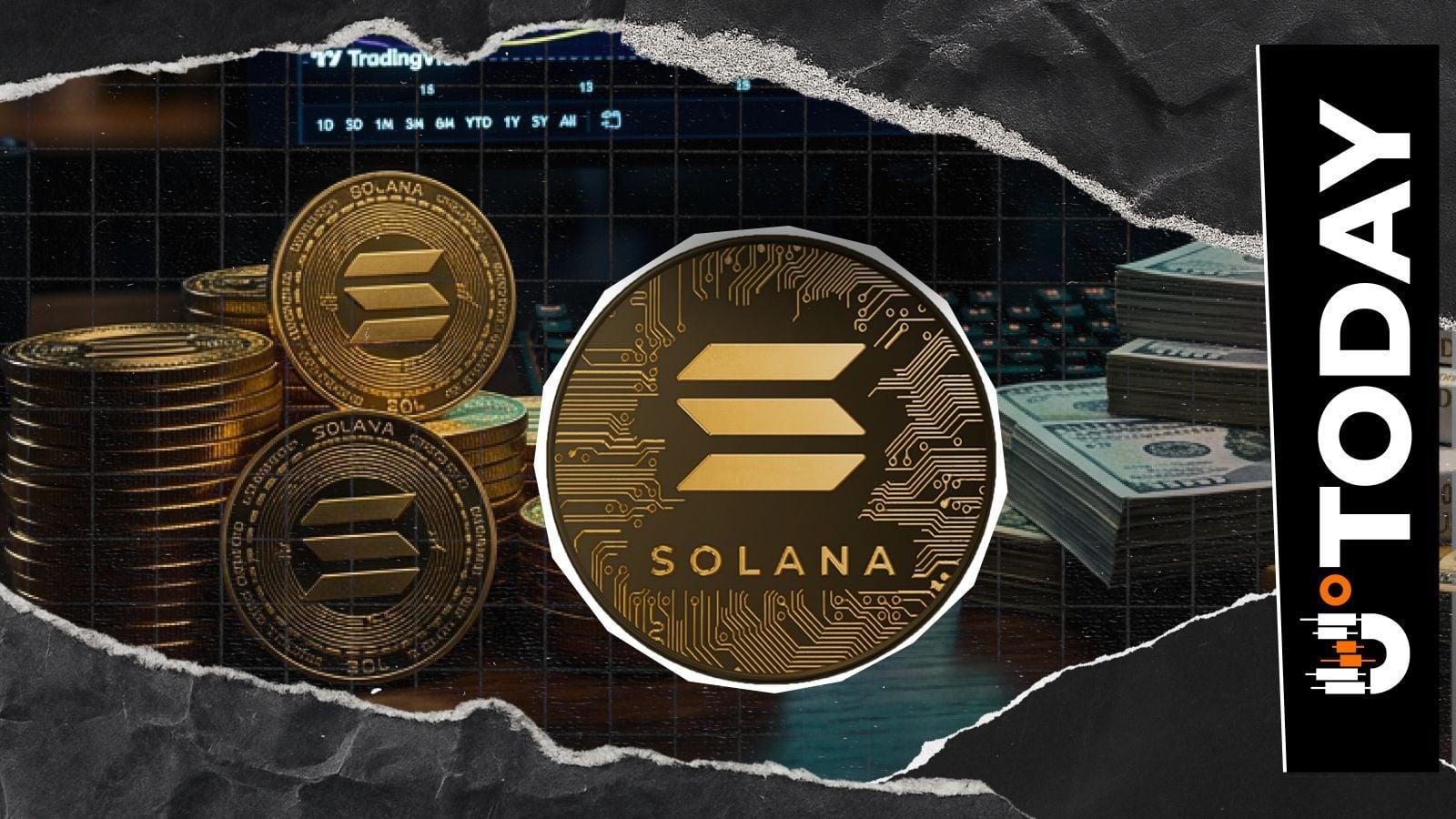
Solana's real-world asset ecosystem has quietly crossed a threshold that few blockchains have come close to: $3.4 billion in total RWA value, a new all-time high reached in under three years since the network began building out its tokenization infrastructure. This isn't just a headline number — it reflects a meaningful reorientation of institutional capital toward a blockchain that, not long ago, was primarily known for meme coins and DeFi speculation.
The significance of this milestone lies not in the figure itself, but in what it reveals about competitive dynamics in the tokenization space. Institutions and developers actively evaluating where to bring traditional financial assets on-chain are increasingly choosing Solana over rivals. The reasons are structural: faster transaction throughput, lower fees, and a scalability profile that aligns with the operational demands of financial-grade applications. When businesses tokenize bonds, real estate, commodities, or private credit, settlement speed and cost predictability matter enormously — and Solana's architecture delivers on both.
Context matters here. The broader RWA tokenization market has been one of the fastest-growing segments across the entire crypto industry over the past 18 months. As institutional interest in blockchain-based asset management deepens, networks capable of handling high-volume, low-latency transactions are commanding a disproportionate share of new inflows. Solana's ability to capture $3.4 billion in this segment — an all-time high — suggests it is positioning itself as critical infrastructure rather than a speculative playground.
For investors, the implications are layered. First, RWA growth of this scale tends to bring stickier, longer-duration capital onto the network compared to purely speculative activity. Tokenized assets don't flip overnight; they represent commitments by institutions with compliance obligations and multi-year horizons. This could meaningfully reduce Solana's on-chain volatility over time and attract a more diversified user base.
Second, the correlation between RWA momentum and token price performance is becoming harder to ignore. Solana's native asset surged more than 8% in a single 24-hour window, breaking through a key resistance level near $79 — a move that occurred against a backdrop of weeks of red-territory trading. While short-term price action is always multi-causal, the RWA milestone provided a credible fundamental catalyst that may have accelerated the breakout. Traders and analysts watching on-chain metrics would do well to treat RWA total value locked as a leading indicator of renewed institutional confidence.
Third, the competitive landscape is evolving rapidly. Solana is not alone in pursuing the RWA opportunity — Ethereum remains the dominant platform by absolute RWA volume, and other layer-1 networks are actively courting tokenization projects. However, the pace at which Solana has scaled its RWA ecosystem from zero to $3.4 billion in under three years is a data point that incumbents cannot dismiss. If this growth rate is sustained, Solana could credibly challenge Ethereum's RWA leadership within the next 12 to 18 months.
The broader takeaway for market participants is this: the narrative around Solana is maturing. What began as a high-performance alternative to Ethereum is increasingly being validated by real institutional demand for tokenized assets. The $3.4 billion figure is a milestone, but more importantly, it is evidence that the network's value proposition is being stress-tested by serious capital — and holding up.