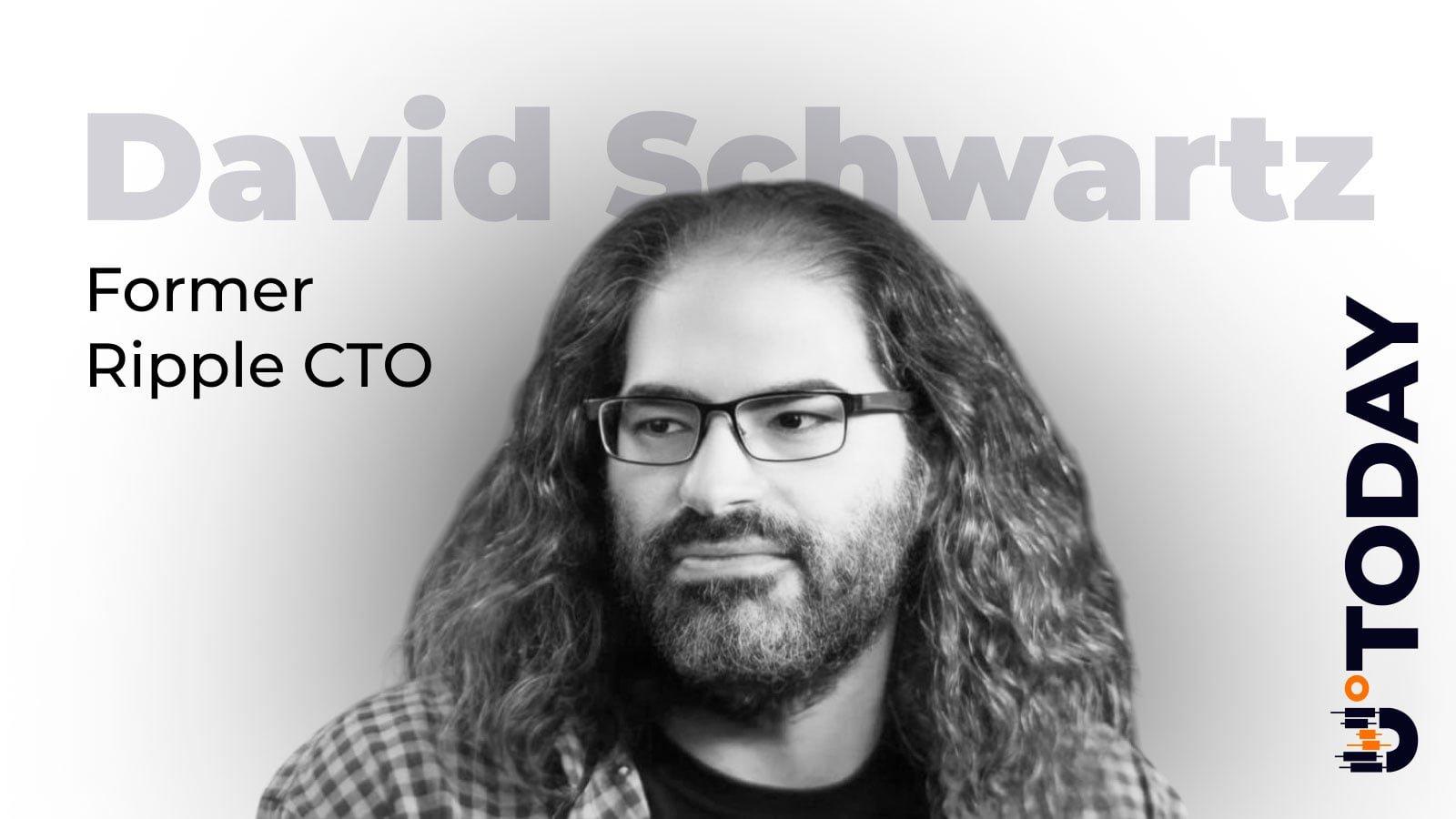
The ongoing discourse regarding cryptocurrency network fees has been reignited by Ripple's CTO Emeritus, David Schwartz, who characterized a long-standing narrative within the XRP community as "truly bizarre." This narrative suggests that higher transaction costs indicate a healthier network, a point of contention that raises essential questions about the underlying value and utility of XRP in the broader cryptocurrency landscape.
Context of the Debate
The discussion was prompted by a post referencing a 2024 commentary and a Forbes article that elaborated on the foundational vision of XRP's founding figures, including Jed McCaleb and Arthur Britto. These pioneers aimed for a financial ecosystem characterized by speed and low transaction costs. However, recent critiques of XRP's market valuation have suggested that its value may not align with its associated fees and network activity.
Utility vs. Fees: A Critical Perspective
One key aspect of the conversation is whether XRP has delivered sufficient real-world value. Critics have pointed out that the metrics of network activity and fees challenge the asset's perceived utility. Schwartz argues against the implication that high fees translate to a robust network, stating that XRP’s low fees should be embraced as a strength rather than a flaw. In a market where many crypto assets vie for attention and credibility, perceptions of utility are paramount.
- Higher fees do not necessarily correlate with a healthier ecosystem.
- XRP's design philosophy favors low transaction costs.
- Market perceptions affect investor confidence and overall asset value.
Broader Implications for Investors
This debate is not merely academic; it has tangible consequences for XRP’s market position and its investors. As narratives shape public sentiment, the perception that low fees are detrimental can hinder trust in XRP's utility as a digital currency. Furthermore, the backlash against the high-fee model can influence regulatory perspectives in the evolving landscape of crypto regulations, especially in light of recent discussions around how Europe’s MiCA regulation could influence market dynamics.
In conclusion, the discourse around XRP's fees encapsulates larger themes within the cryptocurrency market. As investors and stakeholders navigate these complexities, understanding the implications of fees on utility and market perception will be crucial for discerning investment opportunities.