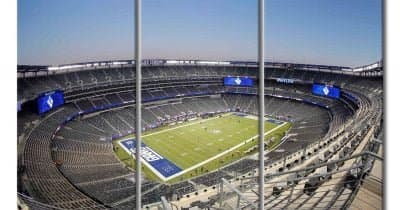
MetLife Stadium in East Rutherford, New Jersey, was chosen to host the 2026 World Cup final on July 19, beating out Dallas and Los Angeles despite their superior infrastructure. This decision prioritizes global brand recognition over venue amenities. The stadium’s open-air design without climate control raises concerns about fan comfort during a 3:00 p.m. kickoff in mid-summer heat, with transit logistics further complicating access for 82,500 attendees.
Choosing Brand Over Infrastructure
The competing venues, AT&T Stadium in Dallas and SoFi Stadium in Los Angeles, both offer climate-controlled environments with retractable roofs, addressing key comfort and logistical issues. Yet FIFA opted for MetLife Stadium, banking on the New York metropolitan area’s worldwide recognition to maximize global viewership. This prioritization signals a strategic focus on audience reach rather than fan experience on site, a trade-off that could affect event perception and attendance satisfaction.
Players have voiced concerns about the temporary grass installation over artificial turf, highlighting practical challenges for a venue not originally designed for football finals. Meanwhile, transit infrastructure to East Rutherford, specifically NJ Transit rail, was not built for the massive influx expected, especially under 95-degree heat, posing potential bottlenecks and safety risks.
Crypto’s Absence Amid Sports’ Commercial Boom
The 2026 World Cup marks an unprecedented expansion to 48 teams across North America, representing one of the largest commercial sports opportunities. Crypto’s presence in global sports marketing peaked during the 2021-2022 bull market, with deals like Crypto.com’s $700 million Staples Center naming rights and FTX’s Miami Heat arena sponsorship before FTX’s collapse. Despite Crypto.com’s official sponsor role in the 2022 Qatar World Cup, recent market turmoil and regulatory pressures have halted momentum.
FIFA’s current revenue streams for the final focus on broadcast licensing, corporate hospitality, and traditional blue-chip sponsors like Adidas, Coca-Cola, and Visa. Blockchain and digital assets remain notably absent from the event’s infrastructure and commercial strategy, reflecting crypto’s retreat from high-profile sports partnerships.
Despite this, platforms such as Polygon and Chiliz have developed sports engagement solutions, and fan tokens for major football clubs continue trading actively. However, the wider crypto industry faces headwinds in securing mega-event prominence amid regulatory scrutiny and market contraction.
The 2026 World Cup final will test whether crypto can regain footing in global sports sponsorship or remain sidelined while traditional giants dominate. The stakes are significant: with an expected attendance capacity of 82,500, the event’s commercial success hinges on maximizing both physical and digital engagement, an area where crypto has yet to prove its resilience.
This material is informational and not financial advice