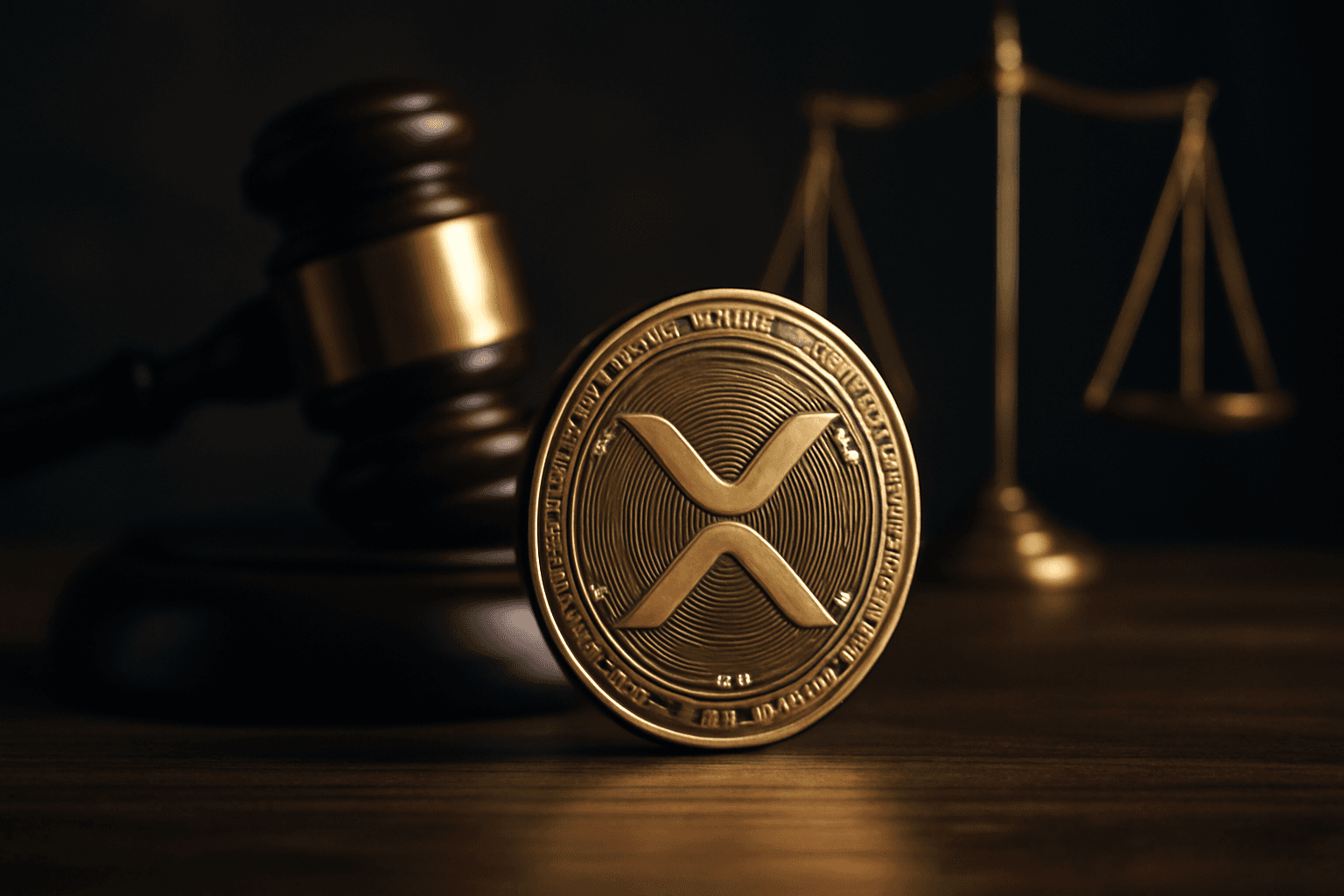
The recent joint interpretive release from the SEC and CFTC has classified XRP as a digital commodity, effectively ending years of regulatory ambiguity. This key decision could reshape the space of cryptocurrency regulations in the United States.
Understanding the Implications of the Classification
On March 17, 2026, the SEC and CFTC jointly published a 68-page document that clearly identifies XRP as a digital commodity rather than a security. This classification stands on a higher rung than previous staff guidance, bringing with it a level of regulatory certainty that the industry has lacked for years. The implications are significant: XRP now sits among notable cryptocurrencies like Bitcoin and Ethereum, which are also categorized as digital commodities.
However, the classification is not set in stone. The release does not constitute a formal rule or law, which means that a future SEC could reinterpret XRP's status without Congressional approval. This potential for reclassification leaves a lingering uncertainty over the long-term viability of XRP's current legal standing.
Future Considerations for Investors
This new framework categorizes various crypto assets into five groups, with XRP firmly in the digital commodities sector. Investors should be aware that while this classification provides a greater degree of stability, it still relies on the ongoing regulatory landscape. The SEC's Regulation Crypto and the proposed CLARITY Act could further solidify XRP’s status, but both initiatives are currently stalled, illustrating the unpredictable nature of crypto regulations.
The recent history of XRP shows the importance of regulatory clarity. The scrutiny faced by Ripple Labs, including a hefty penalty of $125 million and years of legal battles, highlights the risks involved in cryptocurrency investments, particularly in uncertain regulatory environments. With XRP classified as a digital commodity, the outlook seems more favorable for investors, yet vigilance remains essential as the regulatory framework continues to evolve.
This material is for informational purposes only and should not be considered financial advice.