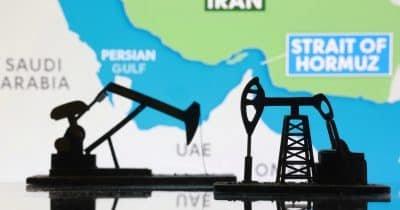
The recent assertion by NATO's Secretary General regarding the necessity for Iran to fully reopen the Strait of Hormuz underscores the geopolitical complexities that continue to shape global oil supply dynamics. Amid escalating tensions between the U.S. and Iran, the Strait of Hormuz vital for international maritime trade has become a focal point for both military conflict and economic ramifications.
Implications for Global Oil Supply
The Strait of Hormuz facilitates around 20% of the world’s oil and natural gas supplies. Its operational status is, therefore, critical for maintaining market stability. The conflict, which intensified following a U.S.-Israeli military operation against Iran, has led to substantial commercial shipping restrictions and attacks on vessels by Iranian forces. This context sets the stage for the potential reopening of the strait, a condition likely tied to any forthcoming ceasefire agreement. The urgency of this situation is reflected in the looming deadline for the U.S. naval blockade to be lifted.
- NATO expects Iran to fully reopen the Strait of Hormuz.
- The closure has disrupted approximately 20% of the world’s oil supply.
- Market sentiment currently assigns a low probability around 1% for WTI crude to skyrocket to $130 in July.
Market Reactions and Future Outlook
The prospect of reopening the Strait could pressure oil prices downward, aligning with improved supply conditions that would soothe market jitters. For investors, such fluctuations are paramount, as they could redefine trading strategies. The market is particularly attentive to July 10, when announcements from Iran’s Ministry of Shipping could dramatically shift the landscape. Furthermore, any corroborative statements from the U.S. and Iran regarding a deal would likely amplify market movements. Traders should also keep a watchful eye on OPEC+ updates and U.S. energy reports that can further alter global supply dynamics.
Looking Ahead: Key Developments to Monitor
As events unfold, market participants should closely observe the signaling from both U.S. and Iranian authorities regarding potential agreements. The implications of these negotiations extend beyond the immediate oil market and could reverberate across the global economic stage. Additionally, ongoing geopolitical shifts necessitate a vigilant approach towards future changes in energy policy and strategic alliances, which could influence other sectors, including cryptocurrency markets.
This material is for informational purposes only and does not constitute financial advice.