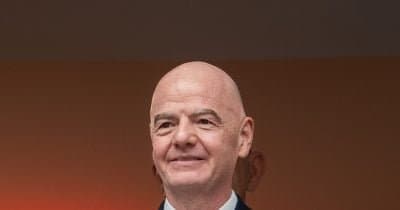
UEFA's recent decision to withhold support for Gianni Infantino's reelection as FIFA president has sent shockwaves through the football community. The German Football Association (DFB) has been particularly outspoken in its opposition, marking a clear division between European football authorities and FIFA's leadership. This move underlines growing discontent with Infantino's tenure, suggesting that the European governing body is actively seeking an alternative candidate as it grapples with longstanding governance issues.
Infantino's bid for a third term has been met with resistance stemming from a variety of grievances, including FIFA's expanding calendar, which European clubs see as encroaching on their domestic leagues. The DFB’s vocal stance against Infantino, which dates back to 2023, reflects a broader narrative where European federations are now openly discussing potential challengers. While no unified candidate has yet emerged, figures such as UEFA President Aleksander Čeferin and PSG President Nasser Al-Khelaifi have been mentioned as possible alternatives. This internal discord raises questions about the future governance of football.
The implications of this rift extend beyond merely political maneuvering. It directly impacts aspects such as sponsorship deals, broadcast rights negotiations, and the burgeoning space of technology in sports. With FIFA's governance shaping the space for initiatives like fan tokens and blockchain ticketing, a shift in leadership could result in more favorable conditions for European interests. As UEFA federations coordinate their efforts, the potential emergence of a credible challenger could redefine how football is governed on a global scale.
The growing dissatisfaction with FIFA’s leadership may also reflect a broader shift in the sports industry, where stakeholders are increasingly demanding transparency and accountability. The expansion of the World Cup from 32 to 48 teams has been particularly contentious, viewed by many as prioritizing commercial interests over competitive integrity. As European clubs continue to seek greater influence within FIFA, the space of international football governance may be on the brink of a significant transformation.
This article is informational and not financial advice.