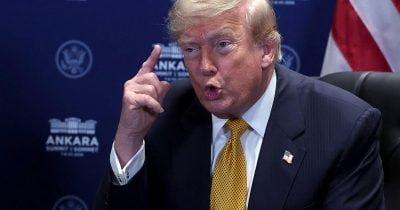
The recent NATO summit in Ankara saw President Donald Trump applying significant economic pressure on Spain, demanding that the country increase its defense spending. His threat to impose a complete trade embargo has raised questions about the future of NATO alliances and could have profound implications for investors and the market at large.
Understanding the Implications of Trump's Ultimatum
Trump's ultimatum to Spain, which includes potentially halting all trade and tourism, underscores a continual trend where trade is weaponized to influence defense policies among NATO allies. The Spanish government’s current defense budget is around €35.41 billion, representing about 2% of its GDP. However, Trump’s demands call for this figure to escalate to 5%, a staggering €53 billion increase per year.
- Current Spanish defense budget: €35.41 billion (2% of GDP)
- Trump's demand: Increase to 5% of GDP (approx. €53 billion additional spending)
- Recurring threats from Trump: Occurrences in October 2025 and March 2026
For investors, the implications are twofold. First, if Spain and other NATO allies yield to such demands, they will need to make significant fiscal adjustments. This could involve cutting social programs, increasing taxes, or increasing national debt to meet enhanced military spending, impacting overall economic health and stability in those nations. On the contrary, if Trump’s threats continue to yield no tangible results, they may indicate that such rhetoric is becoming increasingly hollow, providing a distorted picture of international relations.
Market Reactions and Future Outlook
The pressure to increase defense spending has already influenced European defense stocks positively over the past 18 months. If Spain announces a meaningful increase in its defense budget, it may prompt a ripple effect across NATO members and, subsequently, impact the macroeconomic landscape in Europe. This situation bears watching as it could serve as a bellwether for future trends within NATO spending and political alignments.
Moreover, the contradiction between Trump's assertions of agreement and the Spanish Foreign Minister's denial of any policy shift raises skepticism about the efficacy of such threats. Investors should closely monitor the policy shifts, or lack thereof, as any meaningful defense spending commitments could validate Trump's tactics and alter investment strategies across sectors.
What Lies Ahead: Key Aspects to Monitor
Looking forward, market stakeholders should observe how Spain's government responds in the coming months. Will Spain revise its defense budget, or will it remain steadfast against Trump’s demands? Furthermore, the reactions from other NATO allies in light of this situation could influence defense spending trends across Europe.
This material is for informational purposes only and should not be construed as financial advice.