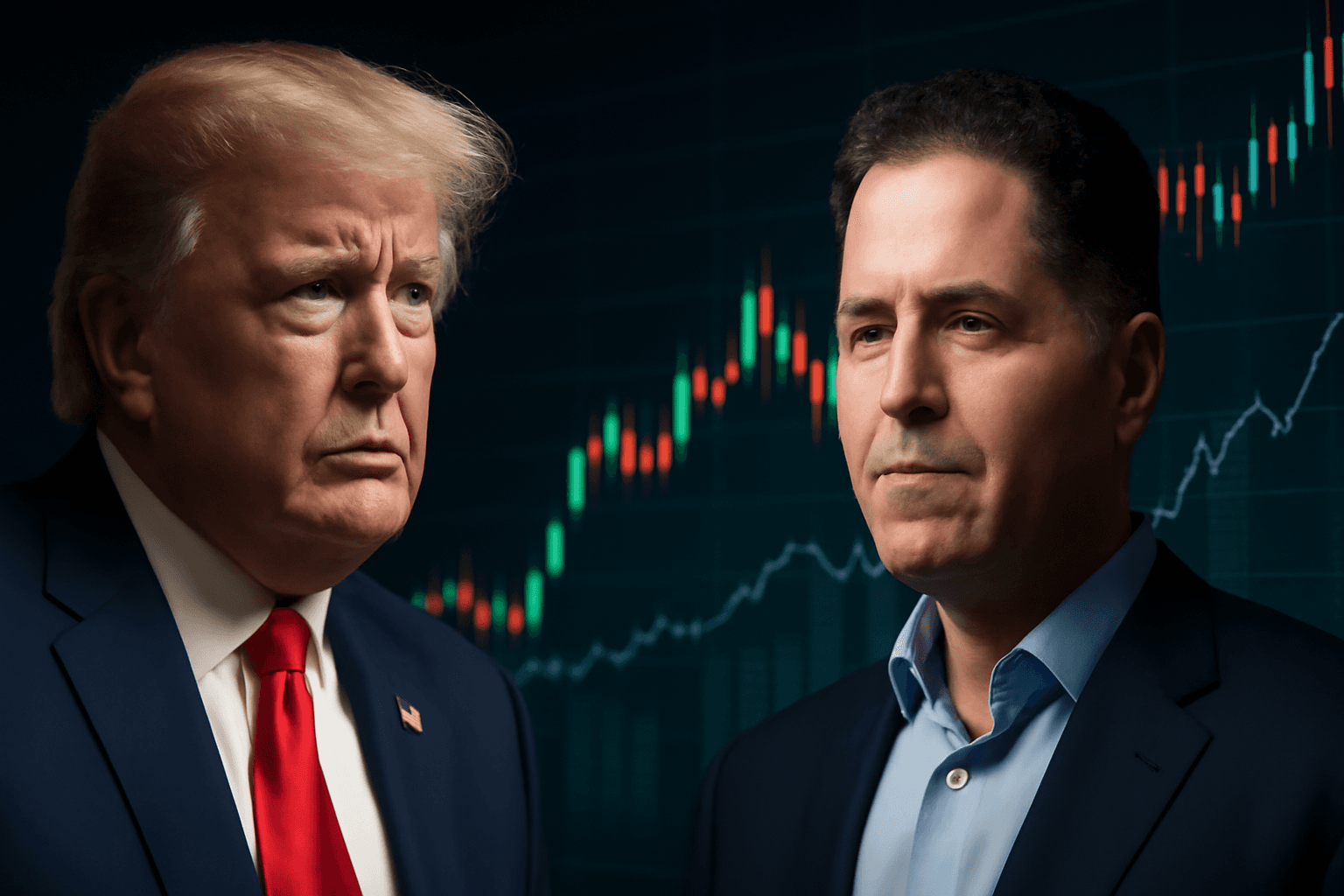
The recent 8% surge in Dell (DELL) stock, following Donald Trump's second public endorsement, highlights the interplay between political endorsement and stock market dynamics. This notable increase on Monday not only demonstrates investor sentiment but also reflects the broader implications of a political figure’s influence on corporate valuations.
Market Sentiment and Price Targets
Analysts appear optimistic regarding Dell's future, maintaining a bullish outlook with an average price target of $490. Such projections can often lead to a self-reinforcing cycle: positive analyst feedback, combined with heightened investor enthusiasm spurred by political support, can drive stock prices up even further. Investors should consider how endorsements from high-profile figures may amplify market movements, especially in this politically charged environment.
Understanding the Implications of Political Influence
Trump's endorsements may serve to rally support among certain investor demographics, particularly those who align with his views. As seen, the substantiated reaction from Dell's stock suggests that political endorsements can act as catalysts, igniting trading activity that may otherwise appear stagnant. The crucial question for investors is how much weight to place on such endorsements versus the underlying fundamentals of the company.
Future Considerations for Investors
Moreover, it is essential to consider the potential volatility that such endorsements can introduce into stock prices. While short-term trading may benefit from these catalysts, long-term investors must evaluate whether the underlying company fundamentals align with the inflated market sentiment post-endorsement. The critical takeaway is to remain vigilant about market influences that extend beyond traditional financial metrics.
In conclusion, Dell's stock price reaction illustrates a broader trend where politics and markets intertwine. Investors may need to adapt their strategies to account for political dynamics, using them as either a tool for opportunity or as a signal for potential risk in their portfolios.