The global economic landscape is once again destabilized as President Trump announced the end of a notable ceasefire with Iran during the NATO summit in Ankara on July 8, 2026. This dramatic development has sent immediate shockwaves through both traditional markets and the cryptocurrency sphere, with Bitcoin experiencing a decline of over 2%. As geopolitical tensions rise, the implications for investors and global economies become increasingly critical.
Understanding the Impact of Trump's Declaration
The collapse of the ceasefire, which had been established just weeks prior in mid-June 2026, was intended to ease escalating hostilities between US and Iranian military forces. The renewed violence has heightened a risk-off sentiment, leading to a notable dip in the CoinDesk 20 Index, which fell by 2.9% on the same day. This pattern of selling is not new; it follows a historical trend where escalations in conflict often lead to market downturns, as investors retreat from perceived risks.
- Bitcoin dropped more than 2% following Trump's announcement.
- The CoinDesk 20 Index experienced a decline of 2.9%.
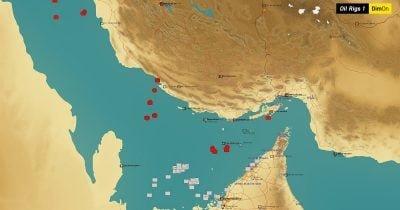
- Oil prices surged amidst fears of disrupted supply chains in the Strait of Hormuz.
Europe's Strategic Shift
In light of these events, European leaders are publicly reassessing their strategic military reliance on the United States. With Europe being a significant importer of energy, any continued disruption in oil supply due to tensions in the Strait of Hormuz could have severe economic repercussions. The vulnerability of European economies to energy disruptions underlines the need for strategic independence, further complicating the transatlantic relationship. The discussions among NATO members indicate a pivot toward reducing reliance on US military support, which could reshape Europe’s defensive and energy policies moving forward.
Market Reactions and Future Implications
The immediate downturn in Bitcoin and associated cryptocurrencies signals to investors the ongoing link between geopolitical events and market performance. A protracted conflict in the Middle East would likely drive oil prices higher, leading to increased inflation, which could complicate monetary policies from the Federal Reserve. If the Fed is unable to lower interest rates due to inflation stemming from energy price surges, this would diminish one of the key catalysts that have historically driven crypto market rallies.
As we navigate these uncertainties, it is imperative to monitor the developments in the Strait of Hormuz closely. An escalation in Iranian actions against maritime traffic could result in broader market corrections, while any indication of renewed diplomatic talks may provide opportunities for short-term relief rallies.
This material is for informational purposes only and does not constitute financial advice.