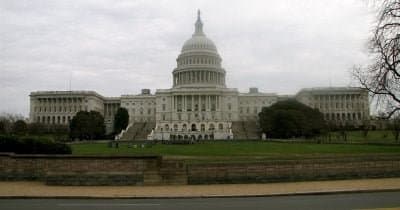
The U.S. House of Representatives is preparing for a crucial vote on military aid to Israel, which could lay bare deep internal divisions within the Democratic Party. This vote marks a significant turning point, as it represents the first direct challenge from House Democrats to potentially scale back taxpayer support for Israel amid ongoing conflict with Hamas.
Previously, bipartisan support secured a $3.3 billion military aid package for Israel. However, the proposed amendment to cut this funding highlights a widening rift, particularly between centrist Democrats and a growing faction of progressive members. These dynamics not only reflect changes in party ideology but also raise questions about U.S. foreign policy in the Middle East and its humanitarian implications, especially in Gaza.
Potential Shifts in U.S. Foreign Aid Policy
The impending vote shows a critical juncture for Democratic priorities and U.S. foreign aid policy. Market indicators suggest uncertainty surrounding U.S. recognition of Palestine before 2027, as evidenced by slight drops in relevant prediction market pricing.
The divisions within the party may lead to new legislative approaches regarding Middle East policy, which could, in turn, influence investor behavior in related markets. Stakeholders will closely watch the vote outcome and subsequent implications for U.S.-Israel relations.
Should the amendment succeed, it might signal a fundamental shift within the Democratic Party that complicates future aid discussions and alters traditional foreign policy frameworks.
Market participants are on alert for reactions from Democratic leaders and the Biden administration, as any indication of reduced aid could significantly impact the broader debate on U.S. foreign engagements. Overall, these developments could reshape prediction markets assessing U.S. recognition of Palestine.
This article is informational and not financial advice.