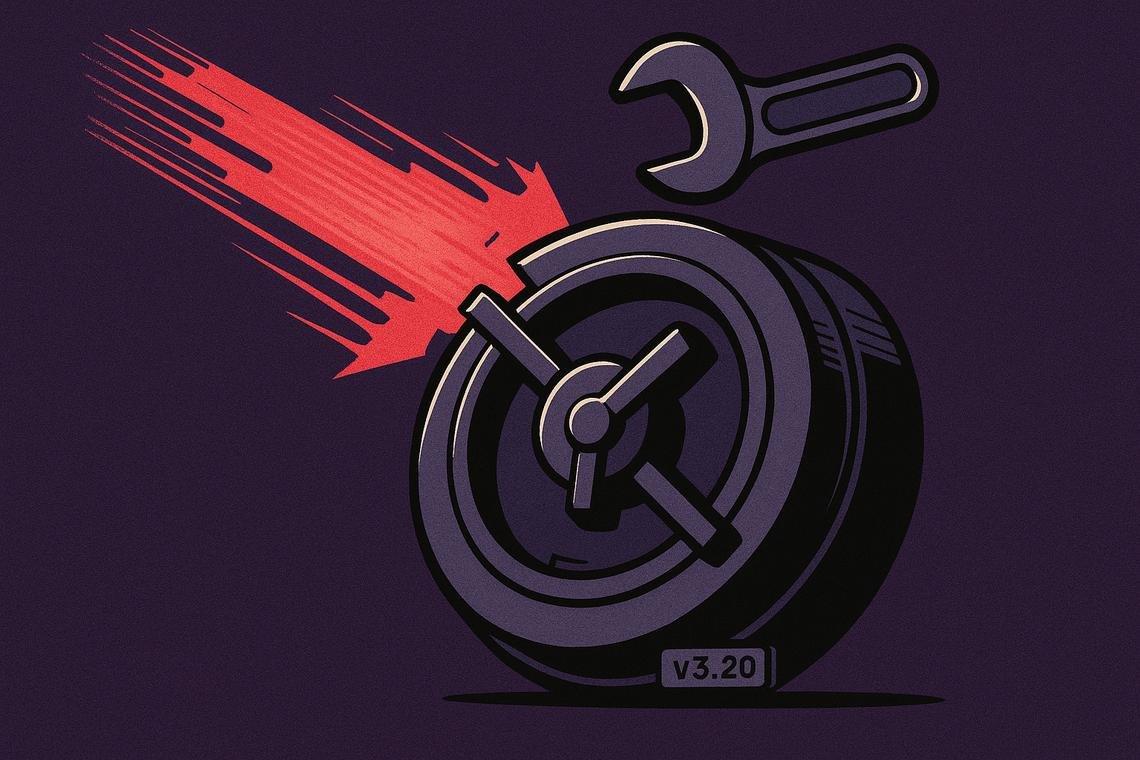
The recent update of THORChain to version 3.20 has significant implications for its operational stability and security mechanisms, highlighting critical lessons within decentralized finance (DeFi) environments. Currently, vault rotation a key process for maintaining security and liquidity has been suspended due to a consensus issue discovered during this operation. This freeze has drawn attention to THORChain's vulnerabilities and how they can cascade into broader concerns within the crypto market.
Understanding the Vault Rotation Suspension
Vault rotation is essential for safeguarding liquidity pools in THORChain, as it facilitates secure asset exchanges while minimizing risks. The halt in this process comes as a direct response to the discovery of multiple bugs that, although previously harmless when operating individually, became a serious threat when exploited together. Users had expected the release of version 3.19.4, but as problems emerged, developers realized that addressing them necessitated a more substantial upgrade that ultimately birthed v3.20.
The implications of this pause are profound. Liquidity providers and investors are likely experiencing a measure of unease, fearing potential losses due to a halted operation that could impact their investment strategies. With the upcoming release of v3.20 promising security fixes, integration of Monero, and a new router system, the community is anxiously awaiting a swift resolution to all the concerns raised.
The Root Cause of the Exploit: A Cautionary Tale
Examining the source of the recent exploit sheds light on an alarming aspect of software development in crypto. As Aaluxx, co-founder of Maya Protocol, explained, the issues stemmed from a combination of three pre-existing bugs rather than a single point of failure. This scenario serves as a reminder of the importance of rigorous testing and the potential risk that even minor flaws pose when interlinked.
During the network's pause, the Maya Protocol ingeniously maintained operations through a single verified vault, demonstrating the resilience and adaptability required in DeFi. This adaptability not only kept liquidity intact amidst the shutdown but also underscored the urgency for strong security measures that must be continuously monitored.
Wider Consequences for the Market
The ramifications of the v3.20 update extend beyond THORChain itself. As one of the leading protocols for cross-chain asset exchanges, disruptions in its functionality could reverberate through the decentralized ecosystem, influencing market stability and investor confidence. With regulatory scrutiny on the rise, the need for robust security frameworks in crypto projects has never been more apparent.
Investors should monitor the progress of the upcoming v3.20 release closely, as its outcomes could set precedents for how similar protocols address security concerns in the future. Furthermore, any delays or failures in successfully launching the update may induce cautious attitudes toward other DeFi projects, potentially leading to wider market impacts.
This article is for informational purposes only and should not be considered financial advice.