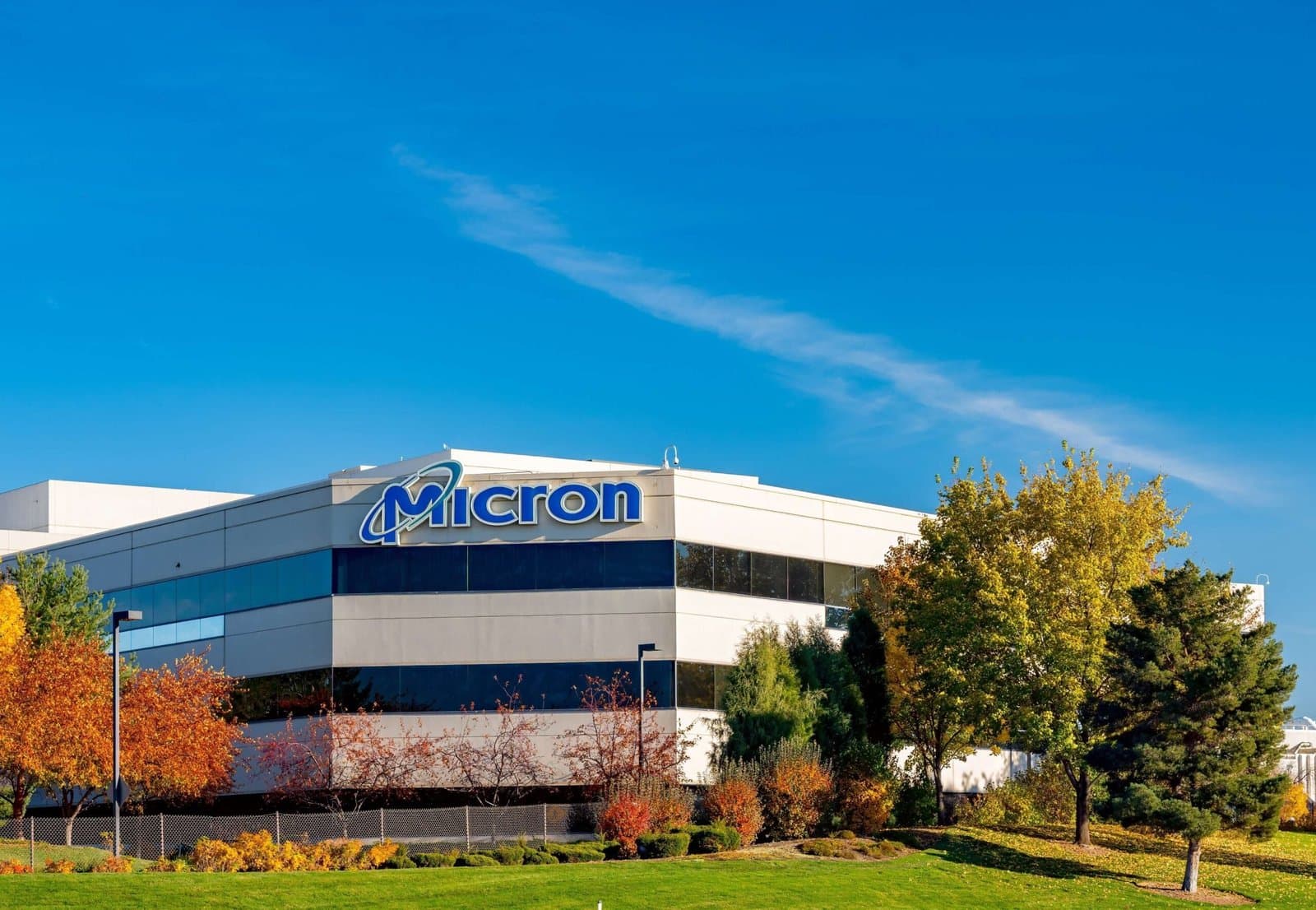
The recent entry of SK Hynix onto Nasdaq marks a key moment in the semiconductor industry, especially within the high-bandwidth memory (HBM) sector. This IPO, which raised $26.5 billion, positions SK Hynix as a dominant player, holding 56-58% of the HBM market compared to Micron and Samsung’s share of approximately 21-22% each. As generative AI continues to accelerate demand for advanced memory solutions, how will this affect investors and market dynamics?
The Impacts of HBM Demand Surge
The explosion of generative AI and increasing complexity of AI workloads necessitates faster, higher-capacity memory chips. These chips are critical for feeding the growing computational requirements of AI applications, leading to surging demand for HBM. However, the current supply chain struggles to keep up with this demand due to constraints in advanced manufacturing capabilities. Facilities that produce these chips require years and significant capital to establish, and the necessary machinery is both specialized and limited in availability.
Notably, industry experts predict that 2027 could represent the toughest year for supply, with demand projected to exceed supply capacity significantly into the next decade. As both Micron and SK Hynix have indicated, there is little clarity on when production can be ramped up to meet customer needs. This persistent imbalance might drive competitive tensions between these two key players.
Financial Positioning amidst Geopolitical Tensions
Despite SK Hynix's commanding share, its stock trades at about 5.8 times forward earnings, while Micron trades slightly higher at 6-7 times. Both valuations are significantly lower than the semiconductor sector average of 26-30 times, indicating a potential undervaluation in the context of their solid earnings growth, with Micron reporting an extraordinary 346% year-over-year increase in Q3 2026 revenue and an 84.9% gross margin.
Micron, as the only major memory manufacturer based in the U.S., stands to benefit from increasing domestic investment bolstered by geopolitical factors, such as the CHIPS Act, which aims to fortify America's semiconductor supply chain. The company has committed to investing over $250 billion through 2035 for domestic production, positioning it strategically as global supply chains reconsider their dependencies.
In summary, while SK Hynix’s IPO may elevate its status in the HBM market, Micron's unique geopolitical positioning and rapid growth in data center revenue, which surged over 650% year-over-year, could provide compelling reasons for investors to reassess their priorities in this competitive landscape. As companies race to expand their capabilities, the memory sector is poised for significant changes that will impact not just the companies involved but also the broader technology market, especially as AI continues to dominate.
This article is informational and does not constitute financial advice.