The deteriorating situation between Iran and the United States in the Strait of Hormuz marks a critical moment in international relations, with tangible implications for global markets and security. The conflict, highlighted by military exchanges and a breakdown in communication, suggests an increasing probability of military action, which could reshape not only the geopolitical landscape but also impact energy markets significantly.
Why This Situation Matters
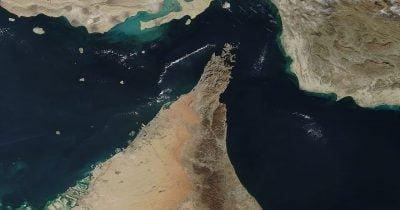
The stakes are exceptionally high; the Strait of Hormuz is a pivotal maritime chokepoint, responsible for transporting a significant portion of the world's oil supply. Therefore, escalations in this region not only threaten regional stability but also have potential consequences for global energy prices and supply chains. Key developments to note include:
- Increased likelihood of a U.S. invasion of Iran, currently priced at 14.5% on prediction markets.
- Active military exchanges occurring alongside imposing rival blockades.
- Rejection of previously signed diplomatic agreements heightening tensions further.
This escalation is indicative of a broader pattern of instability that has emerged since the killing of Iran’s Supreme Leader earlier this year, an event that has accelerated military confrontations and exacerbated hostilities.
Market Sentiment and Implications
The financial markets are reacting to these developments, reflecting growing concerns over the escalating conflict. Investors are increasingly pricing in military action as a probable outcome, underscoring a shift in sentiment as communications between the two nations break down. As a result, the market appears to brace for potential disruptions in oil supply, which could lead to rising prices, impacting global economic stability.
Looking Ahead: Key Watchpoints
In light of the current volatility, it's essential for stakeholders to pay close attention to several factors in the coming weeks:
- Statements from U.S. officials, including President Donald Trump or Defense Secretary Pete Hegseth, which could sway market perceptions.
- Changes in military posture or strategic maneuvers by either the U.S. or Iran that could indicate a shift toward conflict or resolution.
- Ongoing military exchanges that may lead to further escalations or potential diplomatic initiatives aimed at de-escalation.
Such factors will be critical in determining not only the trajectory of the conflict but also its reverberations throughout global markets and energy prices.
This article is for informational purposes only and should not be considered financial advice.